
Industry News
 07 2026-09
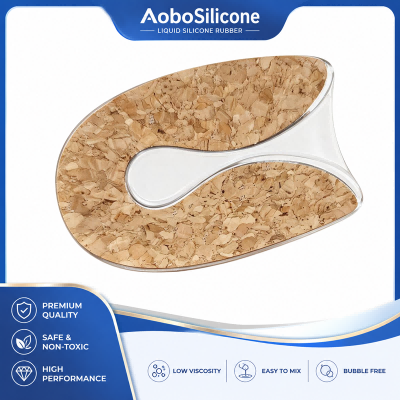
 Silicone Gel Heel Pads: A Growing Choice for Everyday Foot Comfort
As consumers pay more attention to walking comfort and foot protection, Silicone Gel Heel Pads are gaining popularity in footwear and personal foot-care products. Their soft, resilient silicone gel structure can help cushion heel impact, reduce pressure, and improve overall comfort during walking, standing, exercise, and daily activities.
 04 2026-09
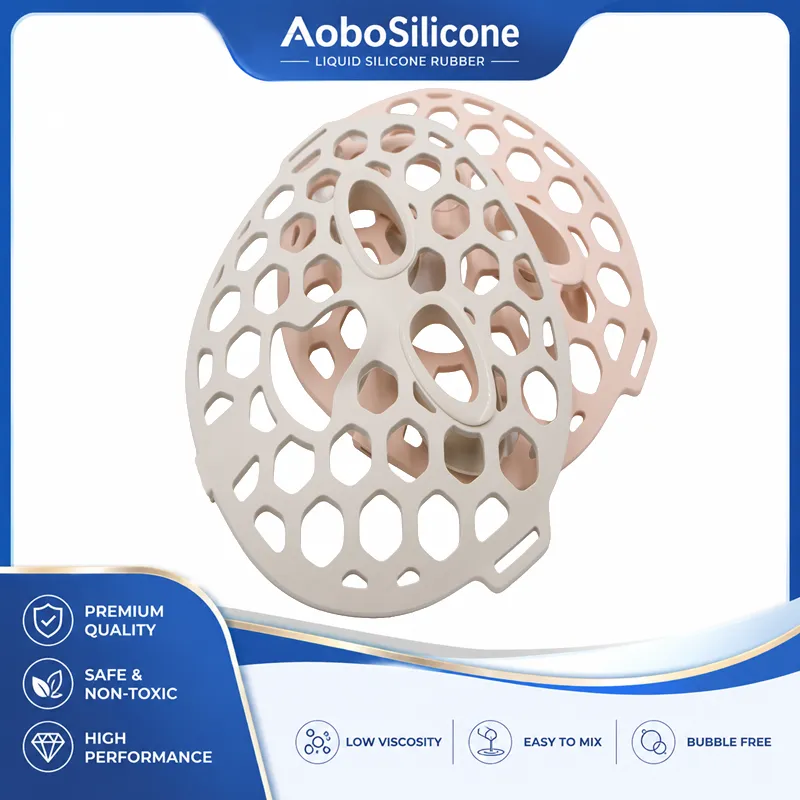
 Silicone Beauty Market Size Growth Analysis
As consumers pay increasing attention to personal care, facial skincare, and the user experience of beauty devices, silicone is gaining wider application in the beauty industry due to its softness, skin-friendly feel, elasticity, easy-to-clean surface, and durability. In recent years, the silicone beauty market size has continued to grow steadily, with products such as silicone beauty masks, facial cleansing brushes, beauty massage tools, and skincare accessories attracting increasing market attention.
 04 2026-09
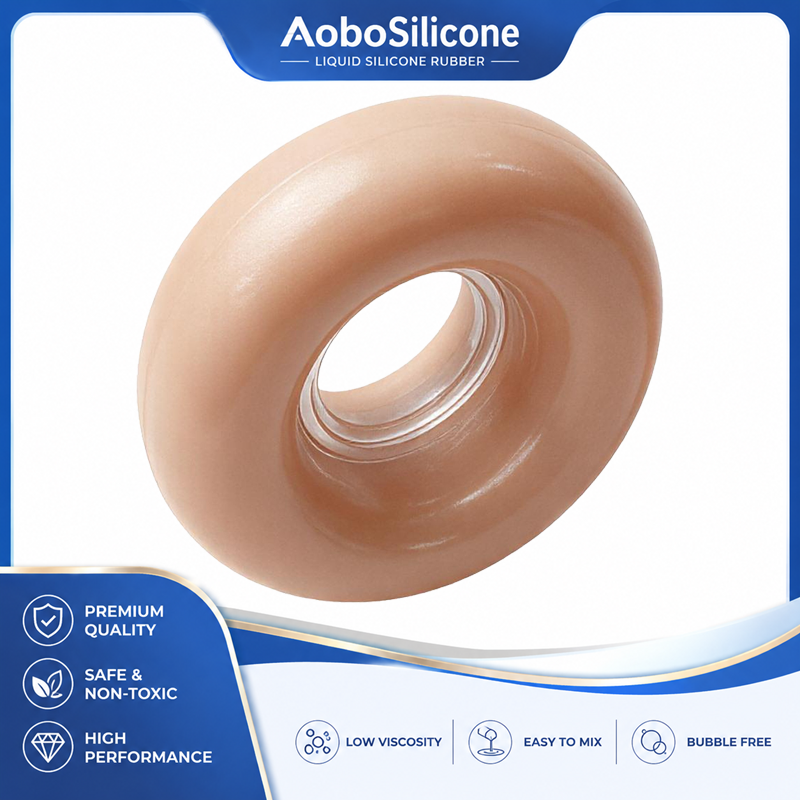
 What Is a Silicone Basti Ring?
As Ayurveda wellness and Panchakarma services continue to develop, professional buyers are paying more attention to the quality and consistency of related accessories. Silicone Basti Ring is a flexible silicone accessory designed for use in specific Basti therapy applications, with a focus on flexibility, comfort, sealing performance, and easy cleaning.
 31 2026-08
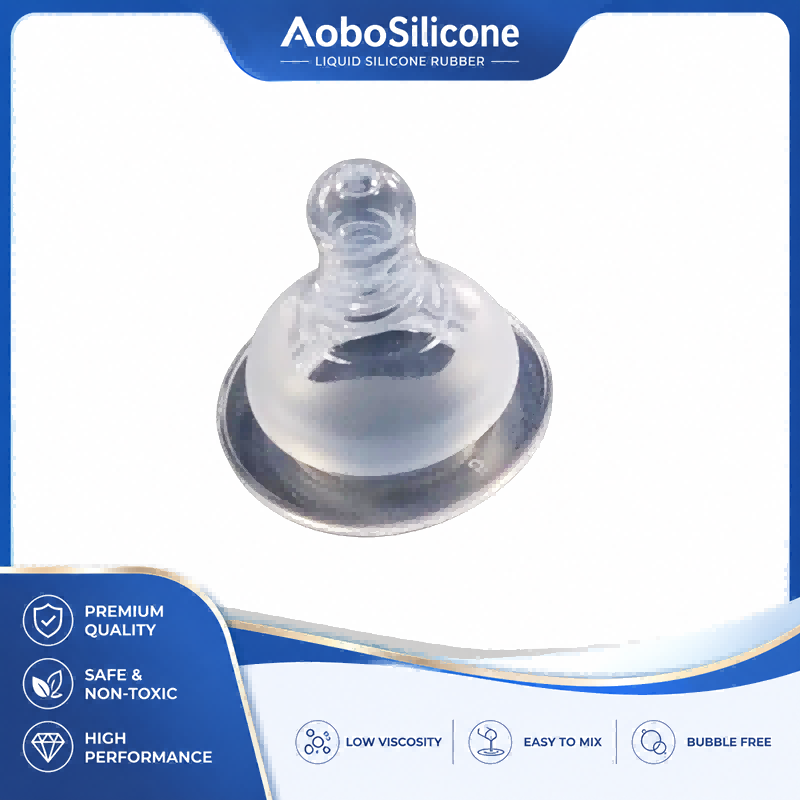
 2026 Silicone Pacifier Market Analysis | Baby Product Purchasing Trends
As the global baby product market continues to move toward higher quality and greater specialization, the purchasing priorities for silicone pacifiers are shifting from price and lead time alone toward material safety, product consistency, regulatory compliance, customization, and long-term supply capacity. For overseas baby product brands, cross-border e-commerce sellers, importers, and distributors, choosing a reliable silicone manufacturer has become increasingly important for both new product development and ongoing procurement.
 31 2026-08
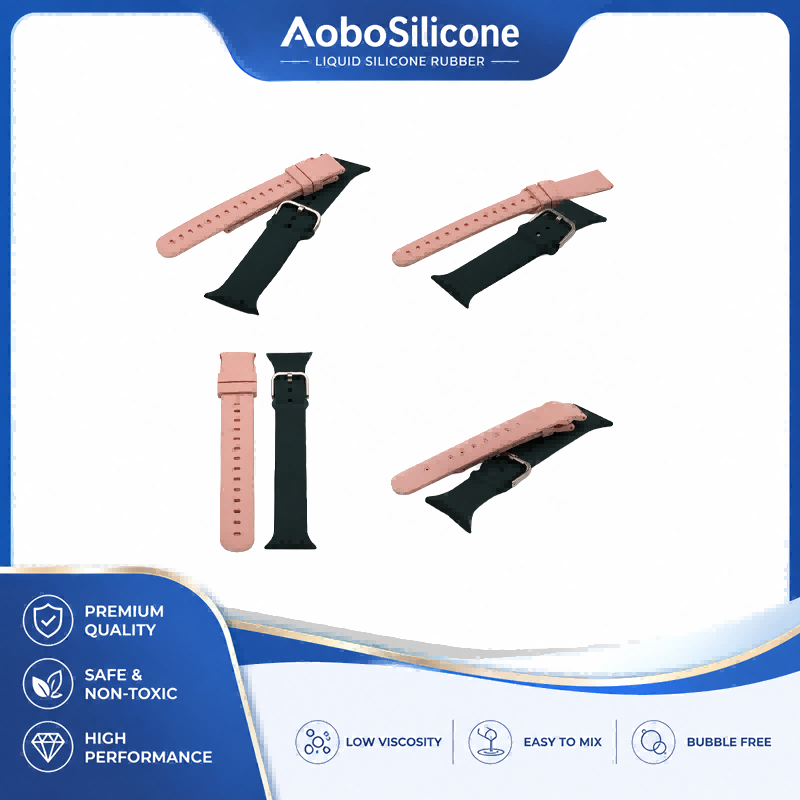
 What Is a Liquid Silicone Watch Strap? A Comprehensive Guide to Its Material, Features, and Applications
A liquid silicone watch strap is a wearable accessory made from Liquid Silicone Rubber (LSR) through a precision injection molding process. It is mainly used for smartwatches, fitness bands, children's smartwatches, and other wearable devices. Compared with traditional plastics, TPU, or conventional silicone materials, liquid silicone offers a soft, skin-friendly feel, excellent elasticity, sweat resistance, aging resistance, and high molding precision.
 21 2026-08
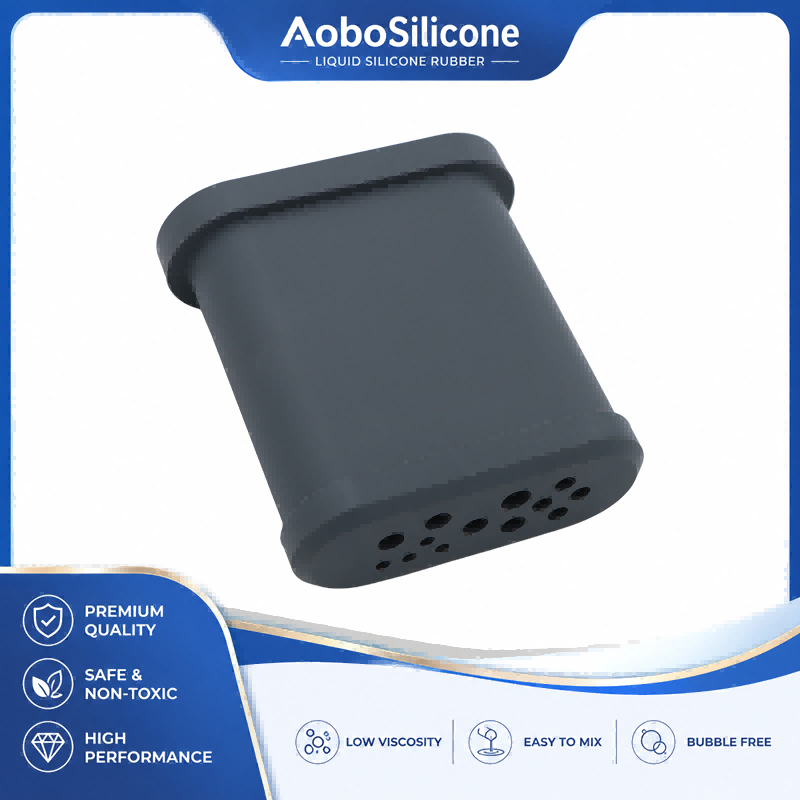
 5 Core Advantages of Automotive Wiring Harness Silicone Connectors: Why Are Automakers Using Them?
With the rapid development of new energy vehicles and automotive electronics, wiring harness connectors are facing increasingly higher requirements for waterproofing, high-temperature resistance, and long-term reliability. Compared with traditional plastic connectors, automotive wiring harness silicone connectors offer better sealing performance and durability and are now widely used in automotive wiring harness systems.