Automotive terminal overmolding is a process that forms a protective coating on designated areas of terminals to achieve electrical insulation, mechanical protection and sealing fit. The final performance is determined by material properties, terminal structure and molding process. Before material selection, it is necessary to clarify the installation position, operating temperature, contact medium and assembly requirements of the product.
Silicone Material Selection and Metal Compatibility
When selecting materials for automotive terminal overmolding, it is essential to balance the insulation performance, elasticity and temperature resistance of silicone rubber, and verify the compatibility between metal substrates, plating layers and silicone materials. For applications involving oil contact, medium resistance shall be verified based on actual working conditions. For positions requiring firm adhesion, the compatibility of the primer with silicone rubber and metal surfaces shall be evaluated, and the bonding effect shall be confirmed through sample tests.
Processing Flow and Molding Control
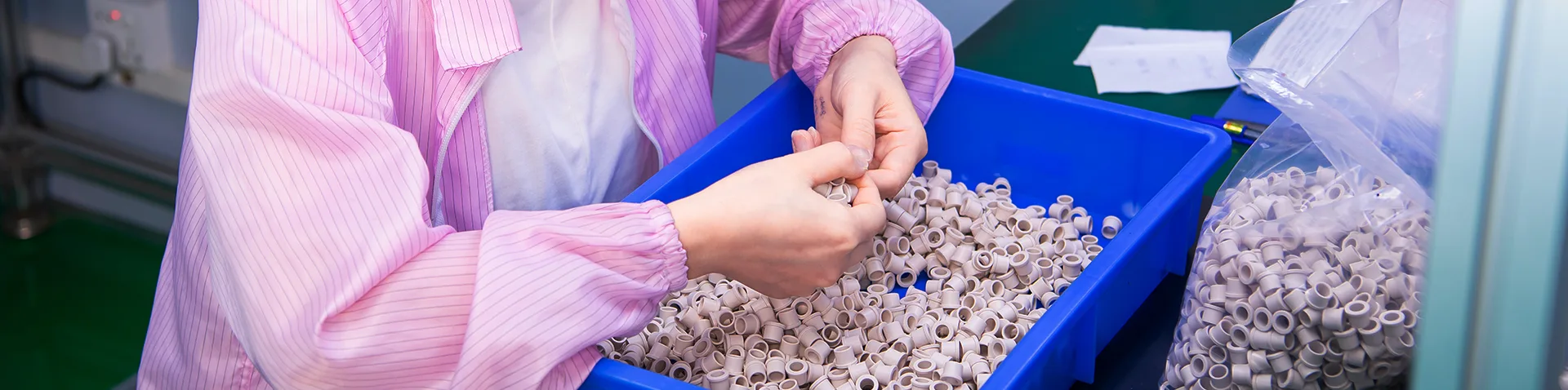
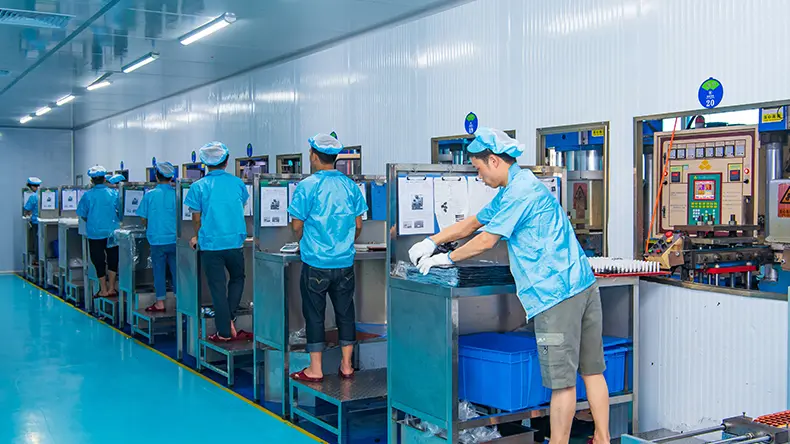
The standard processing flow includes terminal inspection, cleaning and degreasing, necessary surface treatment, insert positioning, compression molding or injection molding, curing and deflashing. During production, mold temperature, filling parameters and curing time shall be strictly controlled, and conductive contact areas shall be properly protected. Insert positioning shall be coordinated with coating thickness design and mold venting structure, so as to reduce defects such as terminal offset, incomplete filling and flash.
Quality Inspection and Batch Consistency
Quality control shall be formulated in accordance with product drawings and actual service conditions. For overmolded automotive terminals, in addition to routine inspection of dimensions, appearance and bonding status, insulation performance, sealing performance and aging verification shall be carried out according to application requirements. For defects such as bubbles, cracks and delamination, root causes shall be traced from surface treatment, mold venting and curing parameters, and re-inspection shall be conducted after rectification. After sample approval, recording material batches and key process parameters helps to maintain stable consistency of mass-produced products.
Contact Aobo Silicone for Customized Solutions
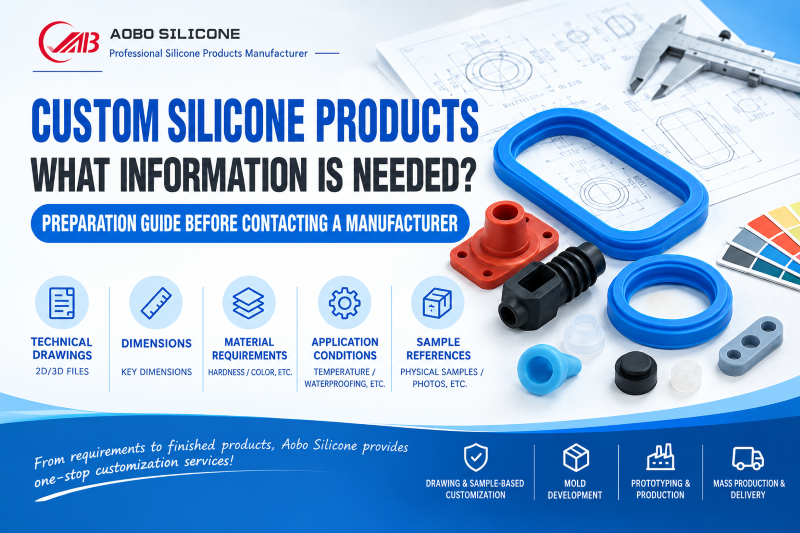
Looking for a reliable manufacturer for automotive terminal overmolding projects? Aobo Silicone specializes in custom silicone product manufacturing. You are welcome to provide product drawings, terminal material specifications and working conditions to discuss material selection, structural design and processing solutions with us, for clearer project evaluation and more targeted material selection.
We use cookies to offer you a better browsing experience, analyze site traffic and personalize content. By using this site, you agree to our use of cookies. Privacy Policy