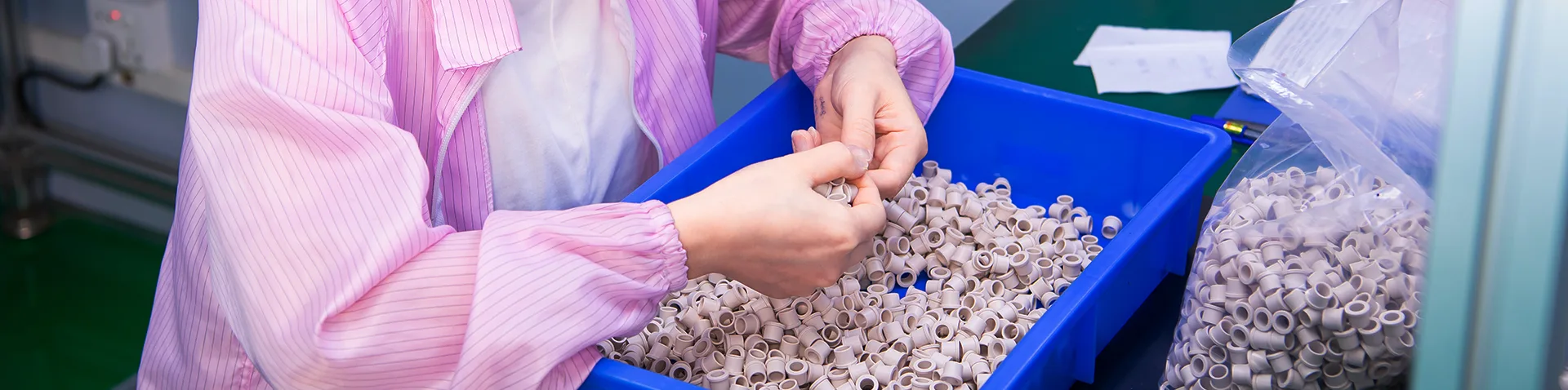
What Are the Manufacturing Processes for Solid Silicone Products?
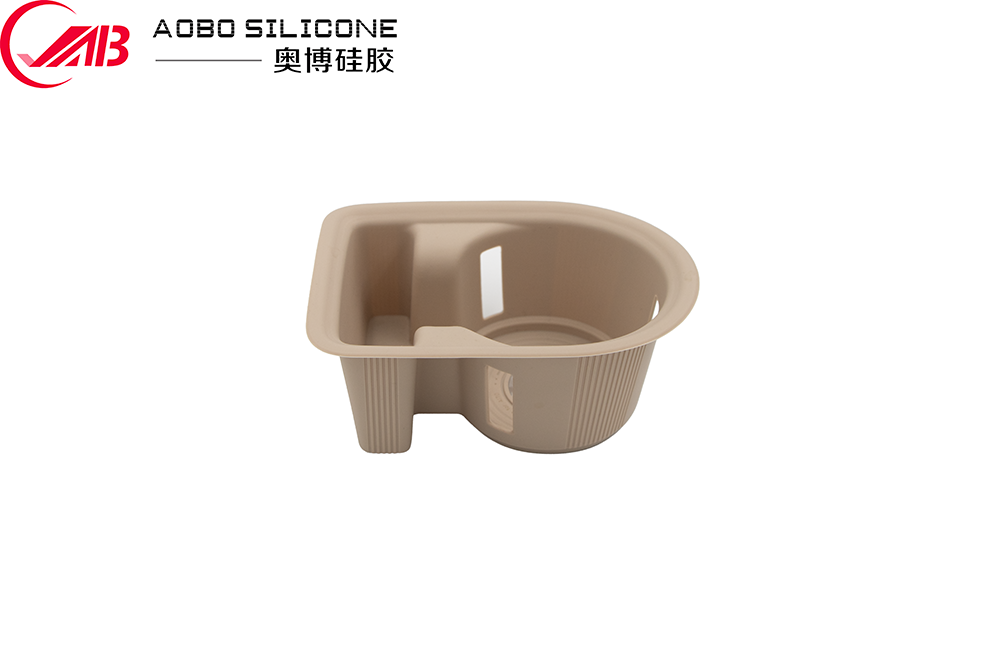
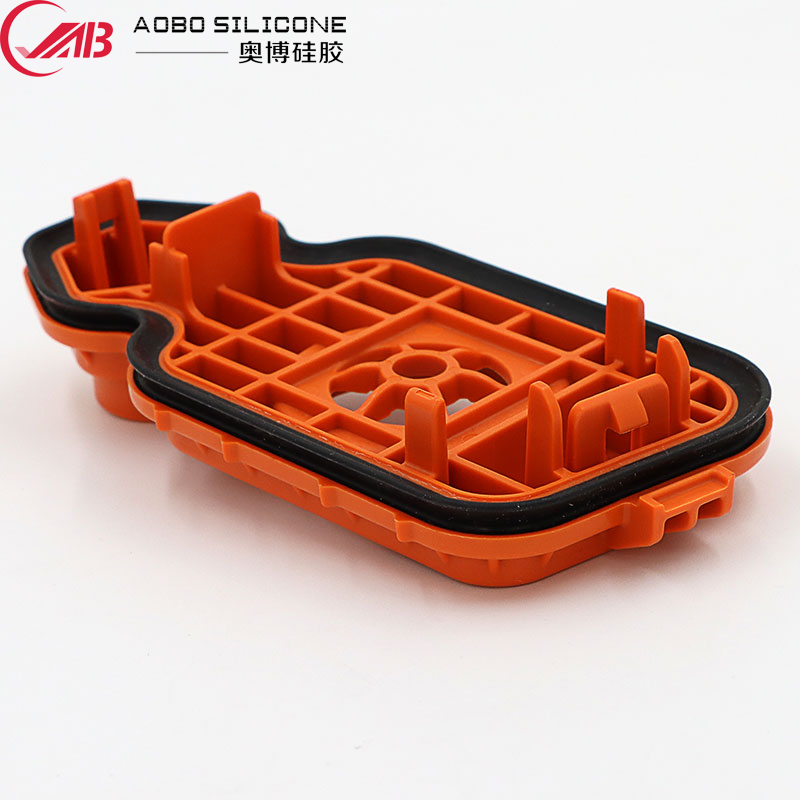
Solid silicone products are widely used in industrial sealing, maternal and infant supplies, automotive parts and many other sectors, favored for their outstanding high temperature resistance, eco-friendly non-toxic nature, and aging durability. When sourcing custom products, most procurement and R&D professionals start with the fundamentals of solid silicone fabrication processes—and compression molding stands as the most dominant processing method in the industry today.
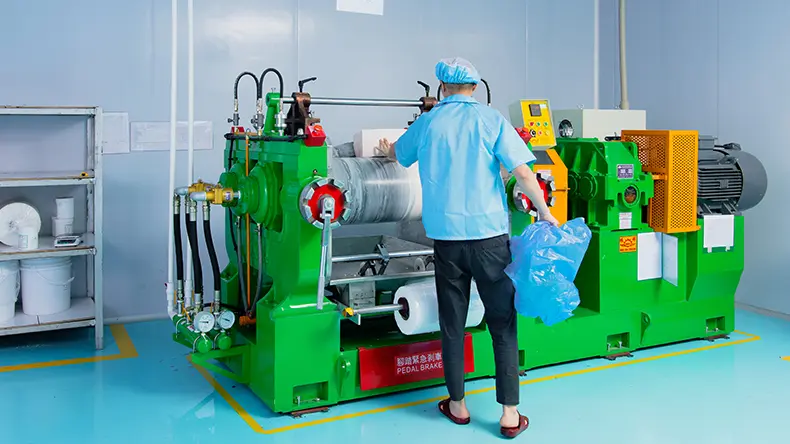
Step 1: Compounding & Material Preparation
The first stage of compression molding is compounding and blank preparation. Raw solid silicone rubber is blended with matching color masterbatch, vulcanizing agents and functional additives per formulation ratios, then fed into a two-roll mill for repeated rolling and mixing to ensure all additives disperse evenly throughout the rubber compound. Once mixing is complete, the compound is cut into preformed blanks sized to match the mold cavity dimensions and rated shot weight. The uniformity achieved in this step directly determines the color consistency of finished parts and the stability of the subsequent vulcanization process.
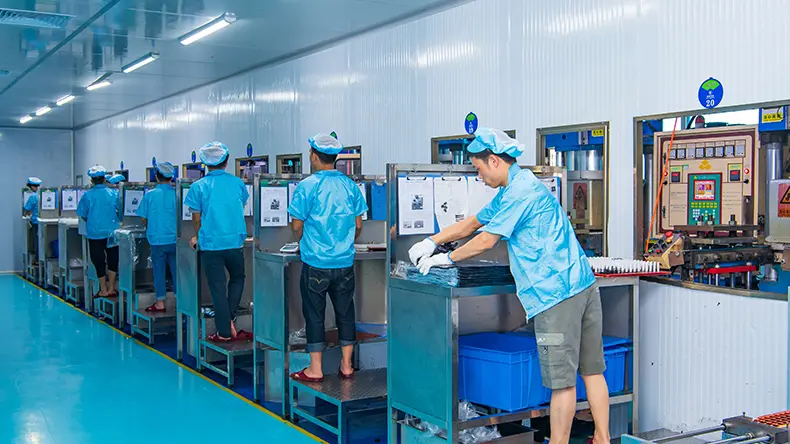
Step 2: Compression Vulcanization (Core Process)
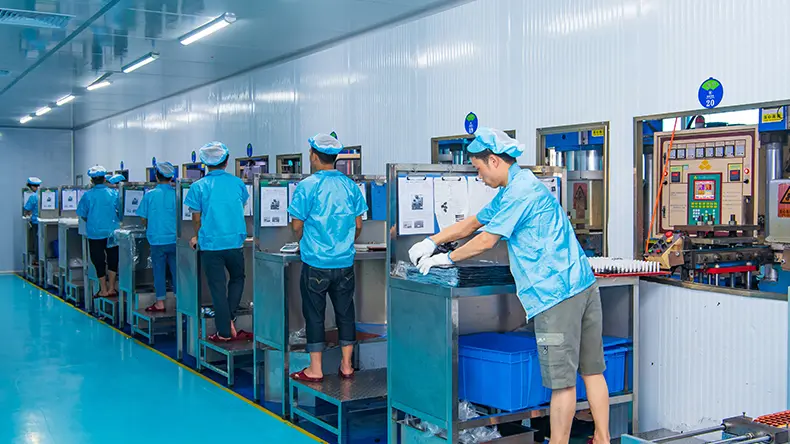
The second step is the core compression vulcanization procedure. Operators load the cut blanks into the cavities of a preheated metal mold. After mold clamping, under the high-temperature, high-pressure environment of a plate vulcanizing press, the rubber compound gradually undergoes cross-linking reaction and cures into its final shape. Temperature, pressure and dwell time must be precisely controlled throughout production. Parameter deviations can easily result in defects such as short shots, trapped air bubbles and under-vulcanization.
Step 3: Demolding, Trimming & Post-Processing
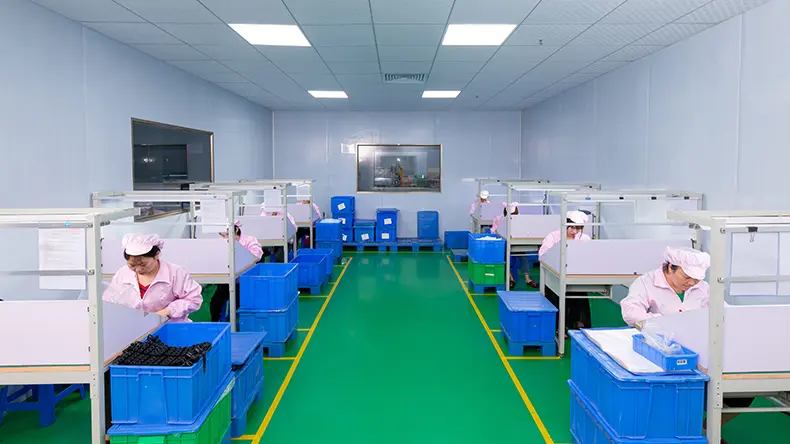
The third step covers demolding, flash removal and post-treatment. After vulcanization, the mold is opened and parts are ejected. Excess flash along the parting line is removed first: simple parts can be trimmed manually, while high-precision small components typically go through cryogenic trimming for clean, consistent edges. For food-grade and high-weather-resistance products, post-curing is often applied to eliminate residual low-molecular substances and further enhance material performance. Final products are inspected, packed and shipped only after passing quality checks.
| Process Stage | Key Operations | Critical Control Factors | Potential Quality Risks (Miscontrol) |
|---|---|---|---|
| Compounding & Blank Preparation | Raw silicone blending with color masterbatch, vulcanizing agents and functional additives; two-roll milling; precision blank cutting matched to mold cavity specs | Mixing uniformity, formula accuracy, blank weight tolerance | Uneven color distribution, unstable vulcanization, dimensional deviation |
| Compression Vulcanization (Core Process) | Preheated mold loading, high-pressure clamping, high-temperature cross-linking and curing | Mold temperature, clamping pressure, curing dwell time | Short shots, trapped air bubbles, under-vulcanization, over-curing brittleness |
| Demolding & Post-Processing | Part ejection, flash removal, optional secondary post-curing, final quality inspection | Trimming precision, post-curing temperature & duration | Ragged edges, residual low-molecular substances, reduced weather resistance |
At the heart of the entire solid silicone manufacturing process is precise control over vulcanization parameters and mixing uniformity. Consistent process standards are the foundation for reliable yield rates and uniform product quality in mass production.
Aobo,a professional manufacturer specializing in custom solid silicone products, with capabilities including compression molding and multiple other processing technologies. We produce industrial and daily-use silicone components in a full range of specifications and performance grades, tailored to your exact requirements. Free samples and dedicated process solutions are available upon request. Welcome to contact us for consultation and cooperation.
Previous :
-
Related News
Leave me a message