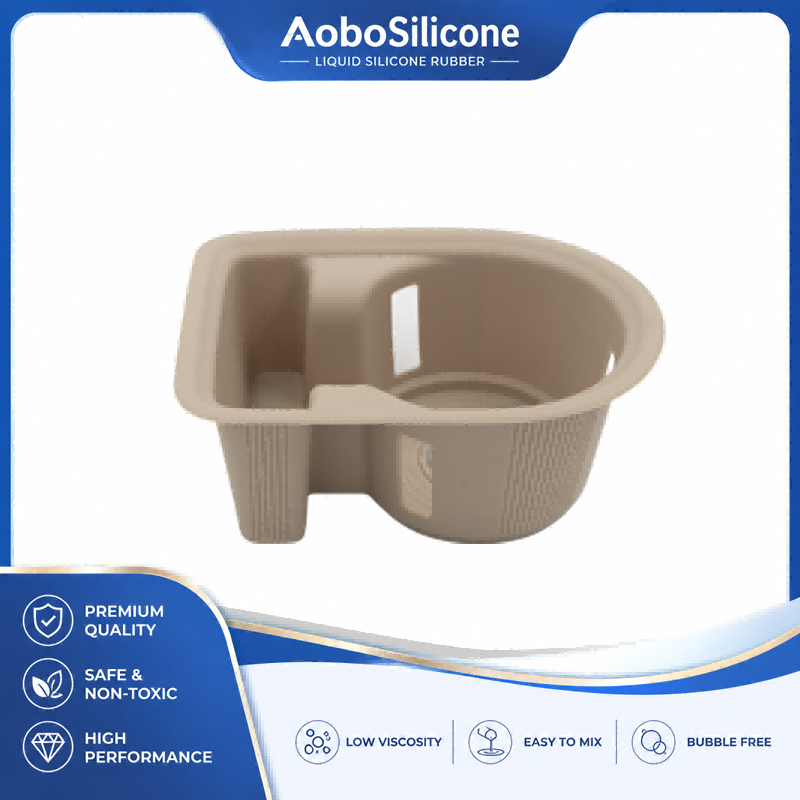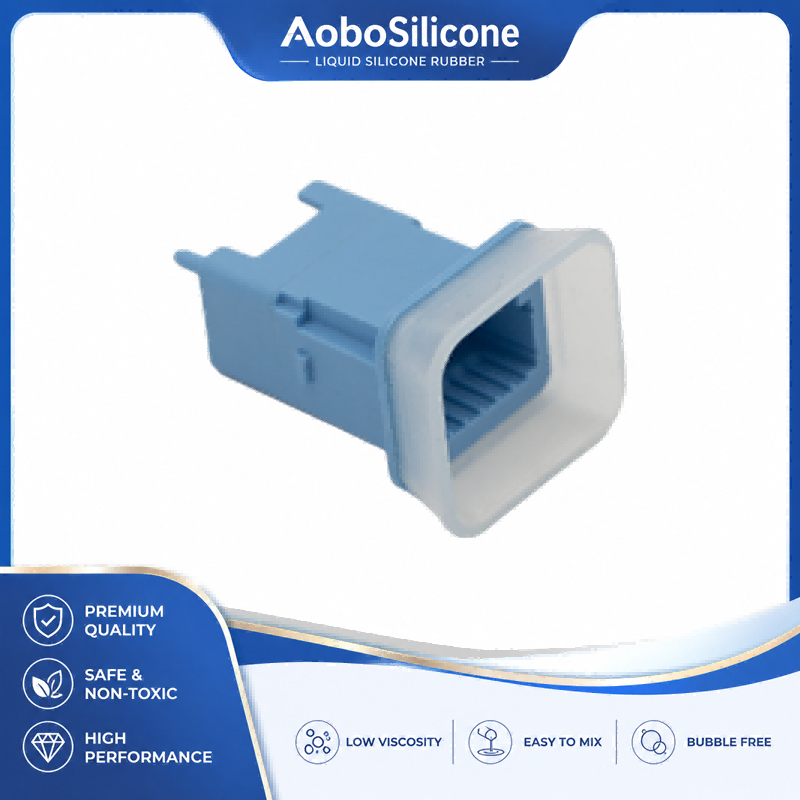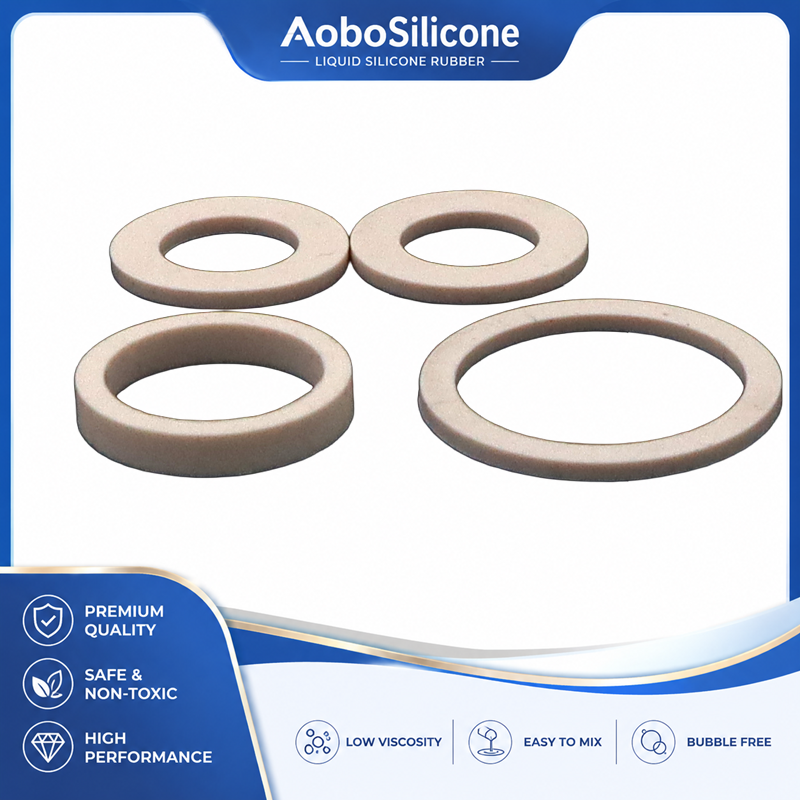

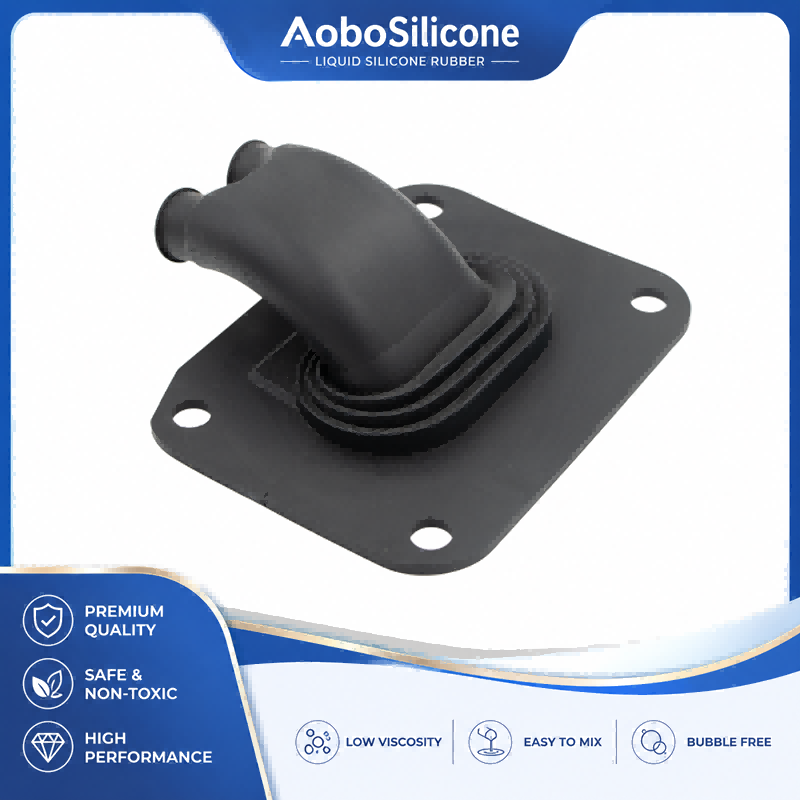
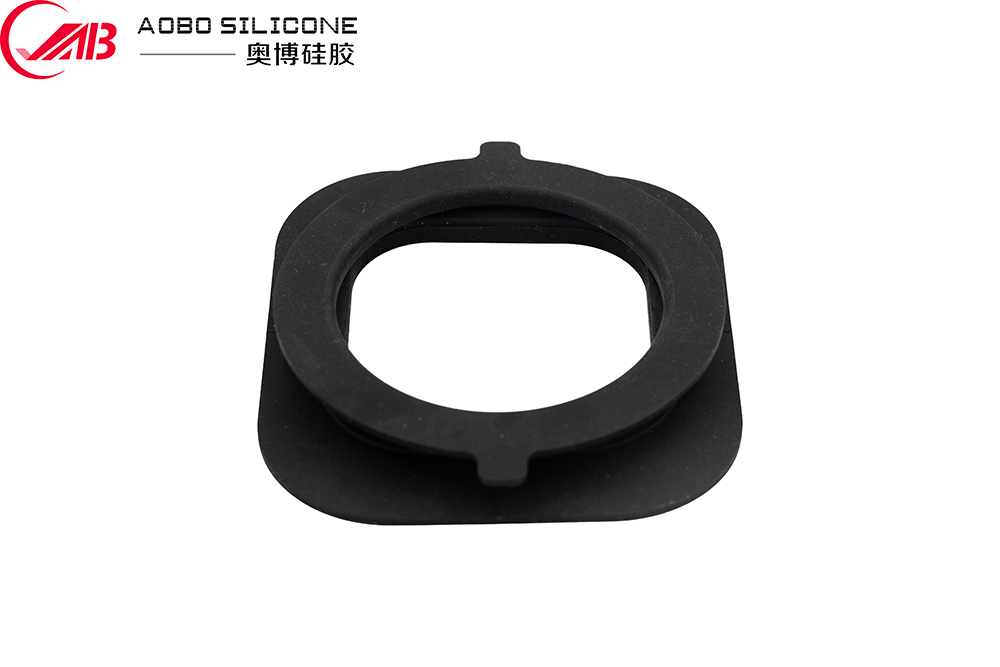
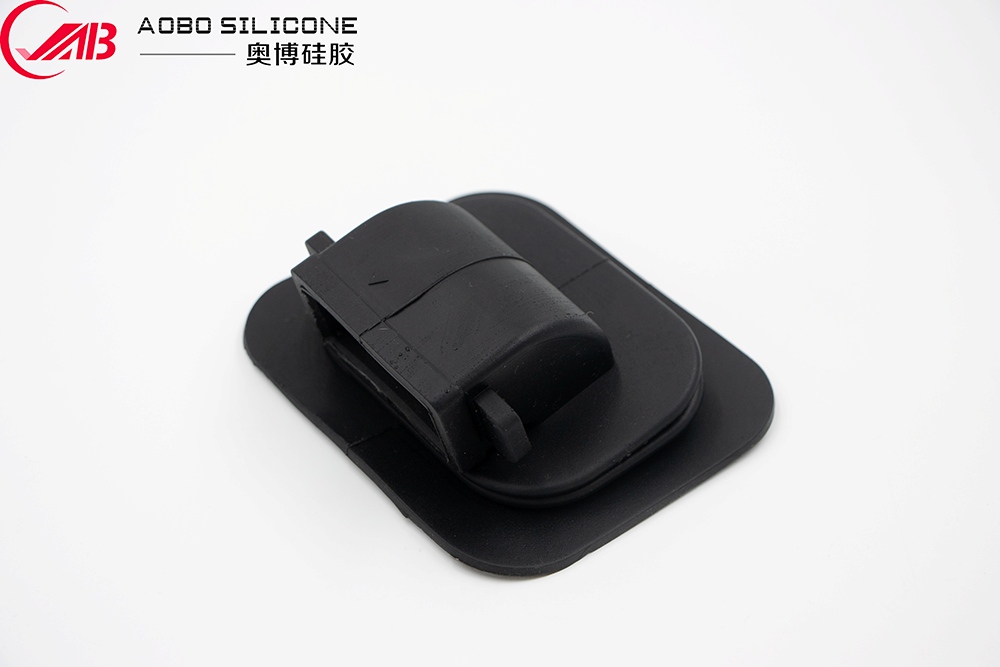
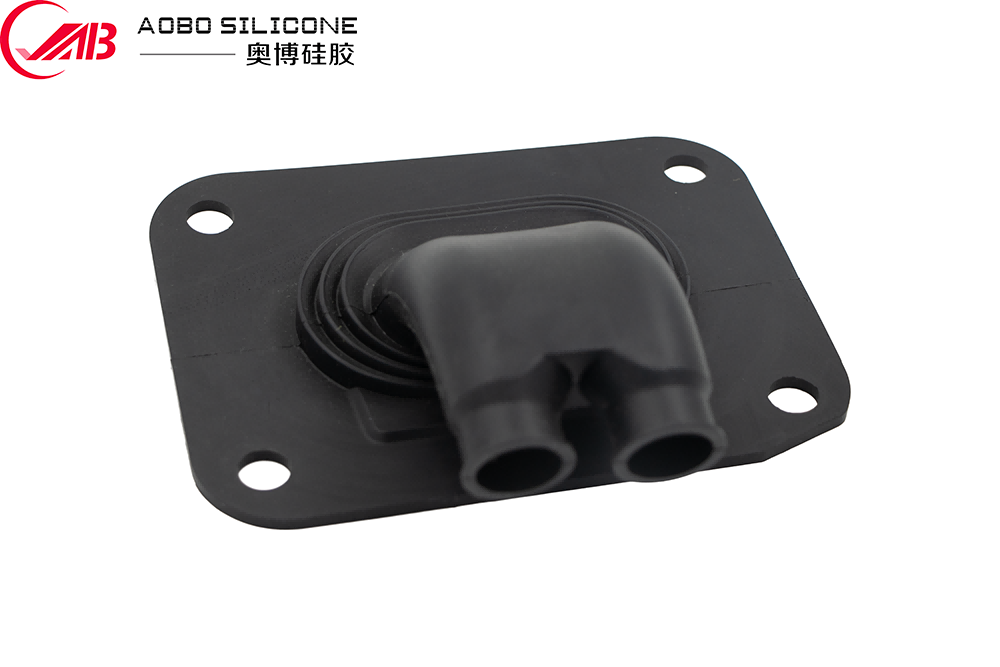
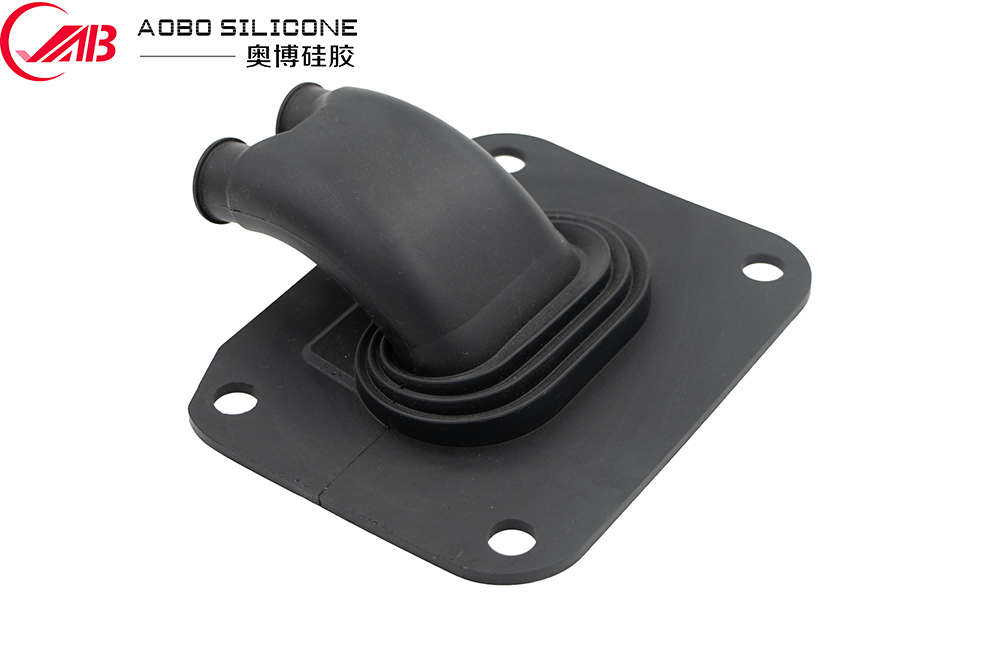
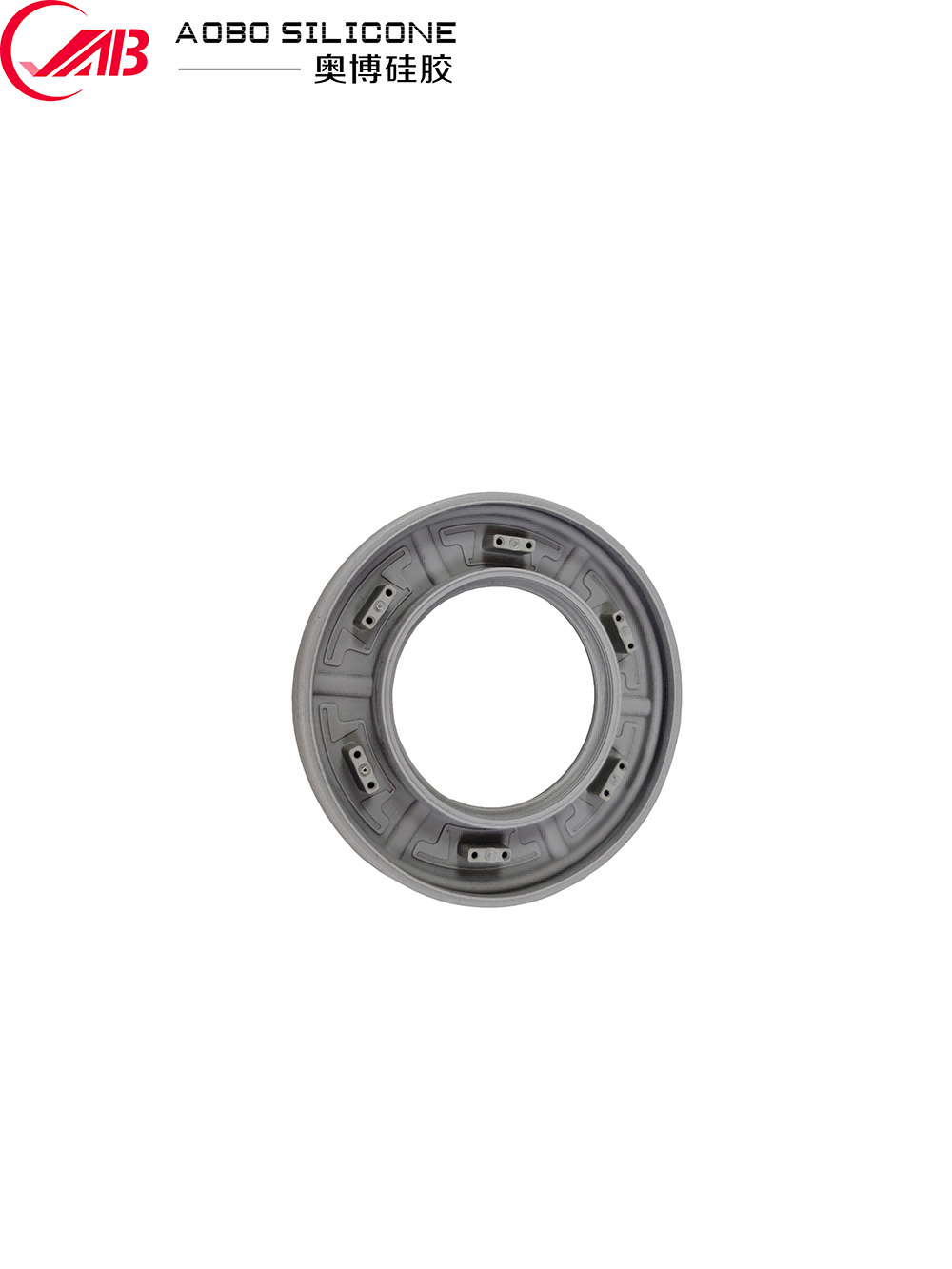
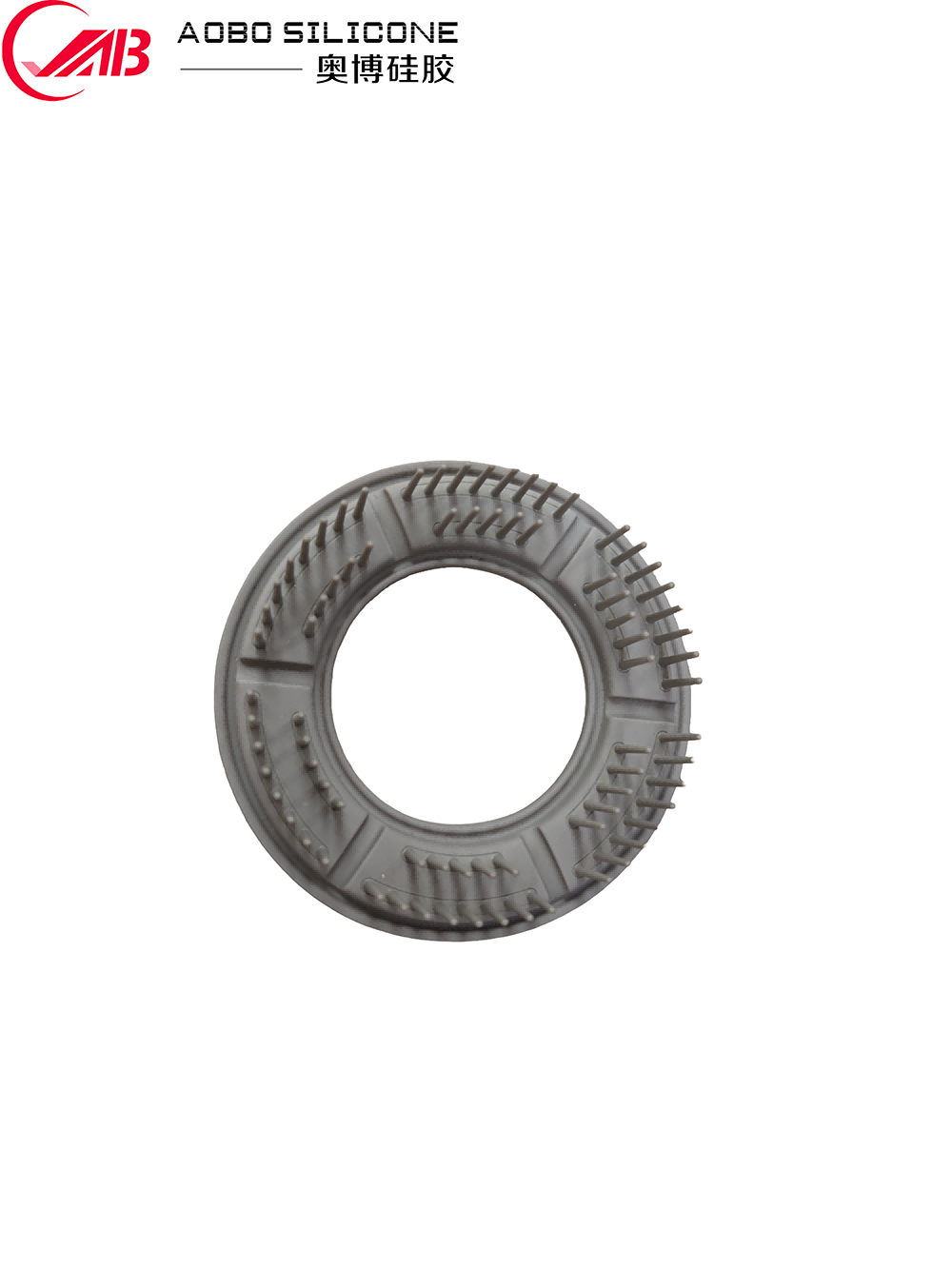
LSR Overmolded Automotive Air Vent Duct
Aobo Silicone, a professional manufacturer in China, offers the LSR Overmolded Automotive Air Vent Duct — an integrated sealing solution for vehicle HVAC and EV battery thermal management. By overmolding liquid silicone rubber onto a rigid plastic substrate, this design eliminates separate rubber seals, reduces assembly steps, and ensures consistent sealing performance. The silicone layer provides excellent vibration isolation, tolerance compensation, and long-term temperature resistance (-50°C to 200°C). With precision LSR injection molding, DFM support, and strict quality control, Aobo Silicone delivers custom-engineered ducts for global OEM and Tier suppliers, ensuring reliable fit, durability, and production efficiency.
In automotive HVAC and thermal-management systems, an air vent duct is more than a simple air passage. The duct must maintain a stable airflow path while accommodating vibration, thermal cycling, dimensional tolerances, and repeated assembly loads. At the connection points, even a small gap can lead to air leakage, noise, or unstable HVAC performance.
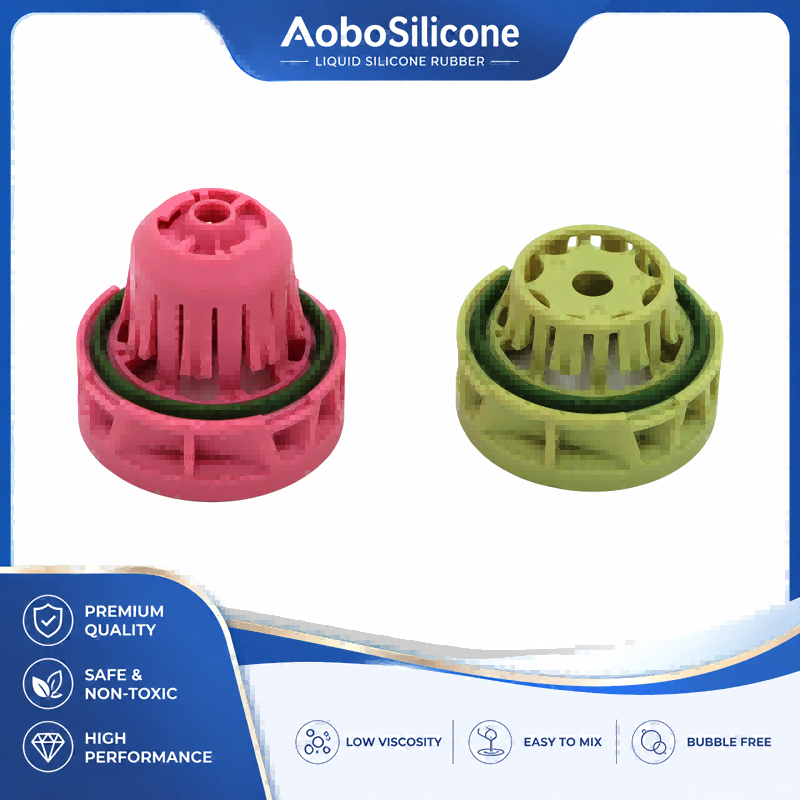
The LSR Overmolded Automotive Air Vent Duct combines a rigid structural substrate with liquid silicone rubber (LSR) overmolding. This construction creates integrated sealing and cushioning features directly around the connection area, reducing the need for separate rubber seals and simplifying assembly.
For automotive HVAC, battery thermal-management, and other air-routing applications, LSR overmolding is particularly useful when a component requires elastic sealing, vibration isolation, complex geometry, and long-term temperature resistance in a single molded part.
Why Use LSR Overmolding for Automotive Air Ducts?
Traditional automotive air ducts may rely on separate O-rings, foam seals, rubber sleeves, or mechanical clamps to compensate for dimensional tolerances. Although these solutions can work, they increase the number of components and create additional assembly interfaces.
An LSR overmolding automotive duct integrates the flexible sealing material directly onto the rigid duct or connector.
The basic structure normally consists of:
● Rigid substrate: PA, PP, PBT, PC/ABS, or other engineering plastics depending on the application
● LSR sealing layer: molded around selected interfaces
● Functional sealing geometry: lips, ribs, beads, sleeves, or customized contact surfaces
● Connection features: snap-fit structures, grooves, locating points, or mechanical locking elements
This design allows the silicone section to compensate for small dimensional variations while maintaining contact pressure against the mating component.
The result is a more integrated solution for applications where conventional separate seals may create assembly complexity.
Material Performance and Engineering Value
Liquid silicone rubber is selected for automotive applications because its properties remain relatively stable across a wide temperature range.
Depending on the selected LSR grade and formulation, typical characteristics can include:
| Property | Typical Engineering Range |
|---|---|
| Silicone Hardness | Shore A 20--80 |
| Working Temperature | Approx. -50°C to +200°C |
| Tensile Strength | ≥5 MPa |
| Elongation at Break | ≥300% |
| Tear Strength | ≥15 kN/m |
| Compression Set | Formulation dependent |
| Color | Black, gray, transparent, custom |
| Curing Process | LSR Injection Molding |
Actual values depend on the selected silicone formulation, molding conditions, geometry, and application requirements. Final specifications should be confirmed during product development.
Temperature Resistance
Automotive HVAC ducts can experience repeated temperature fluctuations. Under-hood and thermal-management applications can also expose components to elevated temperatures.
LSR maintains flexibility over a broad temperature range, making it suitable for components exposed to hot air, cold air, thermal cycling, and engine or battery compartment temperature changes.
Elastic Sealing
Unlike rigid plastics, silicone can deform under compression and recover after load release. This property allows the overmolded section to maintain contact with mating surfaces despite minor dimensional variation.
For air-routing components, this helps reduce leakage at connection points.
Vibration Isolation
The silicone layer also acts as a compliant interface between rigid components.
When HVAC modules, blowers, ducts, or vehicle structures vibrate, the flexible silicone section can absorb part of the mechanical movement rather than transferring all vibration directly through the rigid duct.
This makes silicone rubber overmolding parts useful where sealing and vibration isolation are required simultaneously.
Typical Automotive Applications
The LSR Overmolded Automotive Air Vent Duct can be engineered for several types of vehicle air and thermal-management systems.
1. HVAC Air Distribution
For passenger vehicles, the component can be used around HVAC air outlets, branch ducts, air-routing interfaces, and flexible connection sections.
The silicone sealing area helps accommodate assembly tolerances while maintaining an enclosed airflow path.
2. Battery Thermal Management
Electric vehicles place greater emphasis on thermal management.
Air ducts may be used to route conditioned air around battery modules or thermal-management assemblies. In these environments, dimensional stability, sealing performance, vibration resistance, and temperature cycling become particularly important.
3. E-Axle and Power Electronics Cooling
Certain EV thermal-management architectures use dedicated air or fluid channels around power electronics and drive-system components.
An overmolded silicone interface can provide a compliant connection between rigid components where vibration and thermal expansion need to be accommodated.
4. Under-Hood Air Routing
Components installed in the engine compartment face more demanding temperature and environmental conditions.
LSR can be selected when a flexible sealing interface is required without introducing a separate elastomer sleeve.
Key Design Considerations
Successful overmolding depends heavily on the interface between the silicone and the substrate. The part should therefore be designed for both silicone flow and mechanical retention rather than simply adding a silicone layer to an existing plastic duct.
Substrate Geometry
The plastic substrate should provide sufficient mechanical stability during injection and service.
Potential design elements include:
● Mechanical undercuts
● Retention ribs
● Grooves
● Through-holes
● Locking structures
● Positioning features
● Controlled bonding surfaces
Where chemical adhesion between LSR and substrate is required, material compatibility and surface treatment should be evaluated during development.
Silicone Wall Thickness
Silicone thickness should be determined according to the required sealing force, deformation, geometry, and injection conditions.
Excessively thin sections can create filling difficulties, while unnecessarily thick sections can increase material consumption and curing time.
For sealing lips and flexible interfaces, the geometry should be validated through compression and deformation analysis rather than relying only on nominal thickness.
Tolerance Stack-Up
Automotive duct connections often involve several molded or stamped components.
The silicone interface can compensate for part-to-part dimensional variation, but it should not be treated as a substitute for proper tolerance design.
During DFM evaluation, engineers should consider:
● Substrate dimensional tolerance
● Silicone molding tolerance
● Mating component tolerance
● Compression range
● Assembly force
● Seal recovery
● Thermal expansion
Manufacturing Process
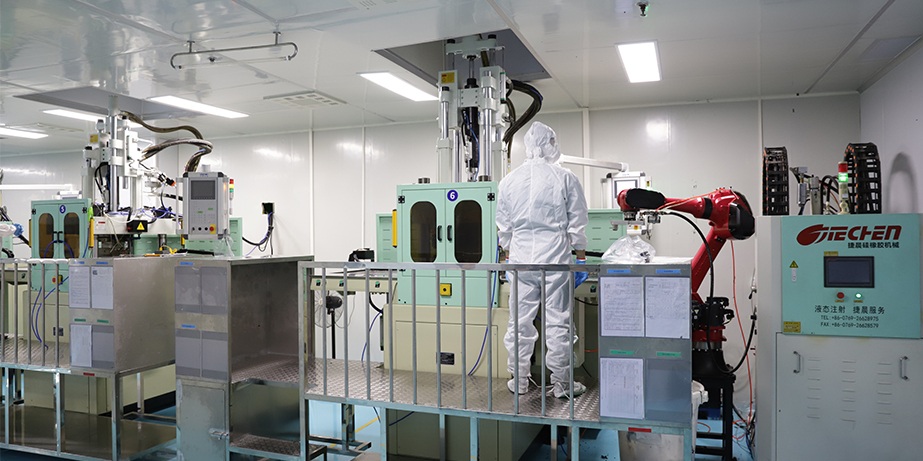
A typical LSR overmolding automotive duct production process involves several controlled stages.
1. Substrate Preparation: The rigid plastic component is molded separately and inspected for dimensional consistency, contamination, flash, and surface defects.
2. Insert Positioning: The substrate is accurately positioned inside the LSR mold. For multi-cavity production, consistent insert positioning is especially important because even small deviations can affect silicone thickness and sealing geometry.
3. LSR Injection: Two-component liquid silicone is metered, mixed, and injected into the mold. Because LSR has low viscosity before curing, it can fill relatively complex sealing structures and thin functional areas when the mold runner and venting system are properly designed.
4. Vulcanization: The silicone cures inside the heated mold and forms the final elastic sealing structure. Curing parameters must be controlled to achieve consistent hardness, dimensional stability, and surface quality.
5. Demolding and Inspection: After molding, the component is inspected for:
● Flash
● Short shots
● Air traps
● Surface defects
● Silicone displacement
● Bonding or retention defects
● Dimensional deviations
Critical sealing dimensions can be measured using dedicated fixtures or automated inspection equipment.
Quality Control for Automotive Applications
For automotive purchasing teams, material certification alone is not sufficient. The finished overmolded assembly needs to be evaluated as a functional component.
A suitable inspection program may include:
| Inspection Item | Purpose |
|---|---|
| Dimensional Inspection | Verify critical interfaces and sealing geometry |
| Hardness Testing | Confirm LSR material consistency |
| Tensile / Tear Testing | Evaluate material mechanical performance |
| Adhesion / Retention Testing | Verify silicone-substrate integrity |
| Air Leakage Testing | Confirm duct sealing performance |
| Compression Testing | Evaluate sealing force and recovery |
| Thermal Cycling | Assess dimensional and sealing stability |
| Aging Testing | Evaluate long-term material behavior |
| Visual Inspection | Detect flash, short shots and surface defects |
For automotive projects, test conditions should be defined according to the actual vehicle environment rather than using generic laboratory conditions.

Durability, Sealing, NVH and Temperature Performance
Sealing Performance
The silicone section should maintain controlled compression against the mating surface. A well-designed sealing lip or bead can accommodate minor assembly variation without requiring excessive insertion force.
For HVAC systems, leakage testing should be performed under defined pressure and temperature conditions.
NVH Considerations
Air ducts can become a source of unwanted vibration and airflow noise if rigid components transmit mechanical vibration directly into the vehicle structure.
The elastomeric overmold can provide a degree of mechanical isolation between the duct and adjacent components.
However, NVH performance depends on the complete system, including airflow velocity, duct geometry, mounting method, fan/blower characteristics, and vehicle structure.
Thermal Cycling
Repeated transitions between low and high temperatures can cause differential expansion between silicone and plastic substrates.
The overmold design should therefore account for differences in:
● Coefficient of thermal expansion
● Elastic modulus
● Interface geometry
● Adhesion or mechanical retention
● Wall thickness
Aging Resistance
Automotive components may be exposed to heat, humidity, ozone, cleaning agents, and other environmental factors.
The selected LSR grade should therefore be evaluated against the actual chemical and environmental exposure expected during vehicle operation.
Customization for OEM and Tier Suppliers
The LSR Overmolded Automotive Air Vent Duct can be customized according to the vehicle platform and HVAC architecture.
Typical customization options include:
● Substrate material
● Silicone hardness
● Silicone color
● Duct diameter
● Wall thickness
● Sealing lip geometry
● Connector geometry
● Overmolding area
● Mechanical retention structure
● Surface texture
● Marking or identification
● Packaging configuration
For new projects, 3D CAD files, 2D drawings, material specifications, target production volume, and environmental requirements can be used to establish the initial DFM review.
Prototype tooling or trial molds can then be used to validate filling, dimensional accuracy, sealing behavior, and assembly before mass-production tooling is finalized.
Project Experience: Reducing Components at the HVAC Connection
A typical automotive HVAC development project may start with a rigid plastic duct combined with a separately assembled rubber seal.
The engineering team may encounter three recurring problems: the seal can shift during assembly, the connection requires additional assembly labor, and dimensional variation between the duct and mating housing affects sealing consistency.
A liquid silicone overmolding solution can replace the separate seal by molding a controlled silicone sealing structure directly onto the duct connection.
During development, the key optimization points would typically include silicone hardness, sealing lip geometry, compression ratio, substrate retention features, and injection gate position.
The objective is not simply to make the component softer. The engineering goal is to establish a controlled interface that provides repeatable sealing force, stable assembly behavior, vibration isolation, and long-term environmental resistance.
This type of design is particularly relevant to EV platforms where HVAC and battery thermal-management systems increasingly require compact, lightweight, and highly integrated components.
Why Choose an LSR Overmolded Duct Instead of a Separate Rubber Seal?
| Design Aspect | Separate Rubber Seal | LSR Overmolded Duct |
|---|---|---|
| Number of Components | More components | Integrated structure |
| Assembly | Additional seal installation | Seal molded onto substrate |
| Seal Position | Can shift during assembly | Controlled by mold geometry |
| Vibration Isolation | Depends on seal design | Integrated silicone interface |
| Complex Geometry | Limited by separate seal | Suitable for molded sealing features |
| Automation | Additional assembly process | Potentially simplified |
| Customization | Seal and duct designed separately | Integrated design optimization |
| Tolerance Compensation | Good | Good, when correctly engineered |
The best choice depends on production volume, tooling investment, required sealing performance, assembly method, and vehicle platform architecture.
FAQ
What is an LSR overmolded automotive air duct?
It is an automotive air-routing component combining a rigid substrate with liquid silicone rubber molded directly onto selected areas. The silicone section can provide sealing, cushioning, vibration isolation, and tolerance compensation.
What materials can be used as the substrate?
Common options include engineering plastics such as PA, PP, PBT, and PC/ABS. The final selection depends on temperature, chemical exposure, mechanical requirements, and compatibility with the LSR.
Can the silicone be bonded to the plastic?
Yes. Depending on the material combination and design, the silicone can be chemically bonded to the substrate or mechanically retained through grooves, ribs, undercuts, and other structural features. Adhesion testing should be performed during product validation.
What temperature range can the silicone withstand?
A typical automotive-grade silicone formulation may support approximately -50°C to +200°C, but the actual operating range depends on the selected LSR grade and application conditions. Continuous exposure, thermal cycling, and environmental aging should be evaluated separately.
Is the product suitable for electric vehicles?
Yes. Its combination of thermal resistance, elastic sealing, vibration isolation, and integrated molding makes it suitable for selected EV HVAC and battery thermal-management applications.
Can the duct geometry be customized?
Yes. Diameter, connection structure, sealing lips, silicone hardness, overmolding area, substrate material, color, and other dimensional features can be developed according to customer drawings and application requirements.
Engineering-Focused Supply for Automotive LSR Overmolding
For automotive programs, the critical factor is not simply producing a silicone component. The LSR Overmolded Automotive Air Vent Duct must be developed around the complete sealing interface, substrate tolerance, thermal environment, vibration conditions, and assembly process.
Aobo Silicone supports custom silicone overmolding development from DFM review and tooling to LSR injection molding, inspection, sampling, and volume production. With experience in precision silicone molding and automotive-oriented custom components, the production process can be adapted to project-specific material, geometry, tolerance, and testing requirements.
For OEM, Tier 1, and Tier 2 projects, provide your 2D/3D drawings, substrate material, target temperature range, annual volume, and sealing requirements to begin an engineering review and quotation.
Hot Tags: LSR Overmolded Automotive Air Vent Duct, China, Manufacturer, Supplier, Factory
Send Inquiry
Contact Info
-
Address
No. 4, Junfa 1st Road, Dongkeng Town, Dongguan City, Guangdong Province, China
-
Tel
-
E-mail
If you have any enquiry about quotation or cooperation, please feel free to email us at postmaster02@dgabgj.com or use the following inquiry form. Our sales representative will contact you within 24 hours. Thank you for your interest in our products.
Get a Precision Solution Quote in 24 Hours!
Zero-Risk Consultation: Free DFM analysis & material selection advice from our silicone engineers.
Factory-Direct Savings: Eliminate middlemen – save 15-30% vs. distributors.
Fast-Track Scaling: From prototype to 1M+ units with Tesla/BYD-certified QC.
Global Compliance Guarantee: Pre-verified for FDA/ISO/ROHS standards.