- 1. The Critical Role of Sealing in Automotive Connectors
- 2. Material Science: Why Silicone Rubber Excels in Sealing Applications
- 3. Key Performance Parameters for Connector Gaskets
- 4. Application Environments: From Engine Bays to Battery Packs
- 5. Design Considerations for Reliable Sealing
- 6. Quality Verification and Testing Methods
- 7. Frequently Asked Questions
1. The Critical Role of Sealing in Automotive Connectors
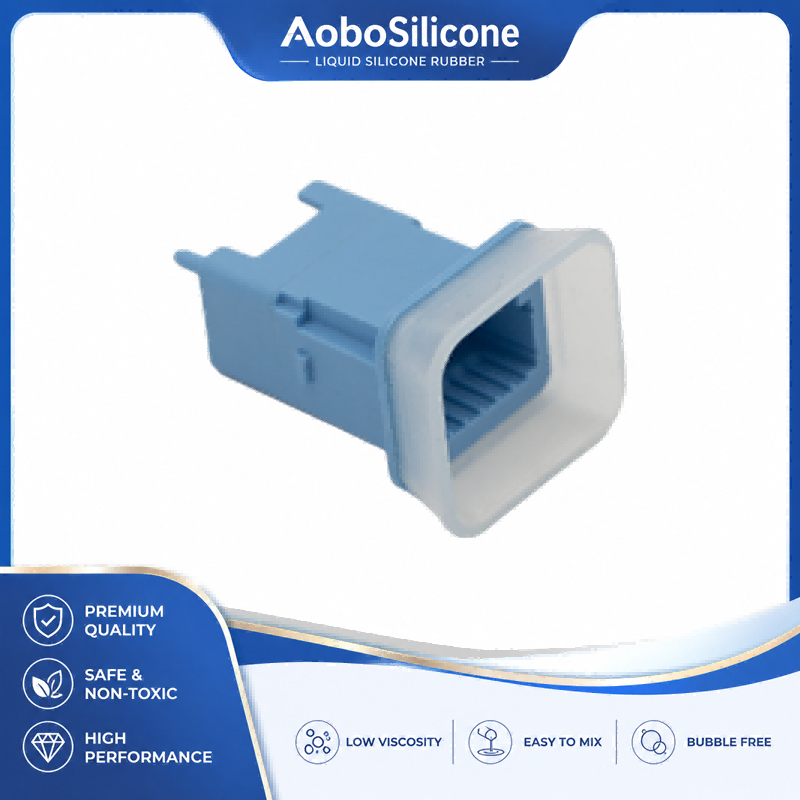
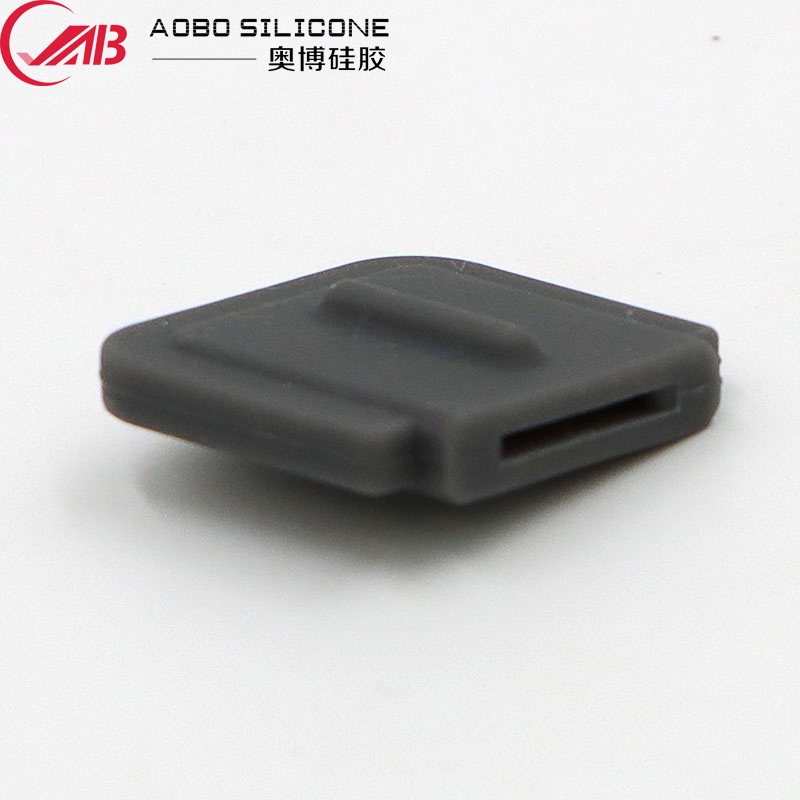
Modern vehicles contain hundreds of electrical connectors that link sensors, actuators, control units, and power distribution systems. A single point of ingress for moisture or conductive contamination can trigger intermittent faults, false diagnostic trouble codes, or complete system failure. The Automotive Connector Silicone Rubber Gasket addresses this vulnerability by creating a durable, compliant barrier between mating connector halves.
Unlike hard plastic seals or O-rings that rely on precise dimensional tolerances, silicone rubber gaskets accommodate minor misalignments, thermal expansion, and component wear over the vehicle's service life. This forgiving nature is particularly valuable in high-vibration environments such as engine compartments, where connectors experience continuous mechanical stress from engine operation and road inputs.
The sealing function extends beyond simple water exclusion. Effective gaskets also prevent the ingress of road salts, brake dust, oil mist, and cleaning chemicals that can degrade contact surfaces and increase electrical resistance. In severe cases, contaminated connectors can lead to overheating, arcing, and even fire hazards. Therefore, the selection of an appropriate Automotive Connector Silicone Rubber Gasket is not merely a design detail but a fundamental safety and reliability decision.
Industry data indicates that electrical connector failures account for a significant percentage of warranty claims in automotive electronics. Many of these failures trace back to inadequate sealing or degradation of sealing materials under prolonged exposure to underhood temperatures and chemicals. Silicone rubber, with its inherent stability across a wide temperature range, offers a proven solution to this persistent challenge.
- Intermittent signal loss – moisture bridging between pins causes erratic sensor readings.
- Increased contact resistance – oxidation and corrosion raise junction temperatures.
- Short circuits – conductive contaminants create unintended electrical paths.
- Premature component failure – control modules and actuators lose communication.
- Diagnostic trouble codes – false faults lead to unnecessary repairs and downtime.
2. Material Science: Why Silicone Rubber Excels in Sealing Applications
Silicone rubber is distinguished from organic elastomers by its silicon-oxygen backbone, which imparts exceptional thermal stability and chemical resistance. While materials like nitrile (NBR) or ethylene propylene diene monomer (EPDM) perform adequately in moderate environments, they degrade rapidly under the extreme conditions found in modern engine compartments and electric vehicle battery enclosures.
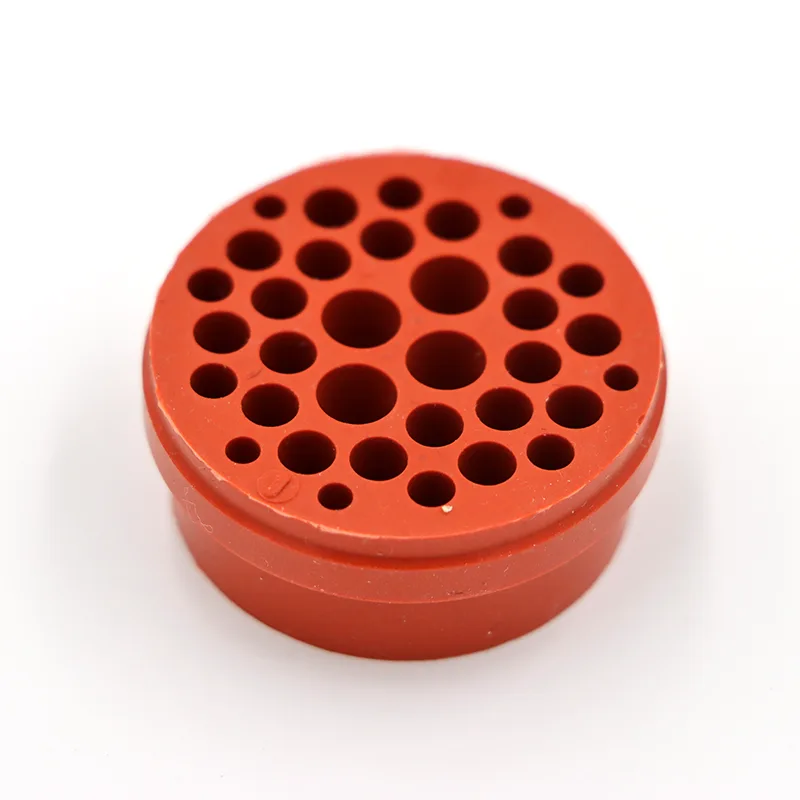
Liquid silicone rubber (LSR) and high-consistency rubber (HCR) are the two primary forms used for connector gaskets. LSR, processed by injection molding, offers excellent flow characteristics for complex geometries with fine details such as ribbed sealing surfaces and multi-cavity designs. HCR, typically compression or transfer molded, provides higher tear strength for larger or thicker gaskets. Both variants can be formulated with additives to enhance specific properties, such as self-lubrication for ease of assembly.
Key material attributes that make silicone rubber the preferred choice for connector sealing include:
- Wide operating temperature range – from -50°C to +200°C, with some fluorosilicone grades extending to +230°C.
- Low compression set – maintains sealing force after prolonged compression, typically below 25% at 150°C for 22 hours.
- Excellent ozone and UV resistance – does not crack or harden when exposed to atmospheric oxidants.
- Inherent hydrophobicity – repels water and resists moisture absorption.
- Chemical resistance – withstands engine oils, coolants, brake fluids, and many cleaning solvents.
- Dielectric properties – maintains electrical insulation even in wet conditions.
Fluorosilicone rubber (F-LSR) is a specialized variant that offers enhanced resistance to fuels and aggressive chemicals while retaining the thermal stability of standard silicone. This grade is often specified for connectors located near fuel injectors, turbochargers, or other areas with hydrocarbon exposure.
The material selection process must consider the specific chemical environment, temperature profile, and mechanical demands of each application. A gasket that performs well in a passenger compartment connector may fail prematurely in an underhood application with higher thermal cycling and chemical exposure.
3. Key Performance Parameters for Connector Gaskets
Specifying an Automotive Connector Silicone Rubber Gasket requires careful evaluation of several performance metrics. Each parameter influences the gasket's ability to maintain a reliable seal over the vehicle's operational life, which may exceed 15 years in some platforms.
| Parameter | Typical Range | Significance |
|---|---|---|
| Hardness (Shore A) | 20 – 70 | Softer grades conform better to surface irregularities; harder grades resist extrusion under pressure. |
| Compression Set | < 25% (150°C / 22h) | Lower values indicate better long-term sealing force retention after clamping. |
| Tensile Strength | 4 – 10 MPa | Higher strength resists tearing during assembly and disassembly. |
| Elongation at Break | 300 – 800% | Higher elongation allows accommodation of connector misalignment and thermal expansion. |
| Temperature Range | -50°C to +200°C | Broader range ensures functionality in diverse climates and underhood conditions. |
| Volume Resistivity | > 10¹⁴ Ω·cm | High resistivity prevents current leakage through the seal material. |
In addition to these physical properties, the gasket's geometry plays a crucial role. Ribbed or corrugated sealing surfaces increase the contact pressure per unit area, improving the seal against fluids and gases. The cross-sectional shape must also be designed to avoid excessive stress concentrations that could lead to premature failure.
Compression force is another critical consideration. Insufficient compression allows fluid pathways to develop, while excessive compression can overstress the connector housing or cause the gasket to extrude into gaps. Finite element analysis (FEA) is commonly employed to optimize the gasket design for uniform stress distribution across the sealing interface.
4. Application Environments: From Engine Bays to Battery Packs
The operating environment of an Automotive Connector Silicone Rubber Gasket varies dramatically across different vehicle locations. Understanding these environments is essential for selecting the appropriate material grade and design configuration.
4.1. Engine Compartment Connectors
Connectors in the engine bay experience the harshest conditions: temperatures exceeding 150°C near exhaust manifolds, exposure to engine oil, coolant, and fuel vapors, and continuous vibration from engine operation. Gaskets in this area must resist thermal aging and maintain sealing force despite repeated thermal cycling. Fluorosilicone grades are often specified for connectors in close proximity to fuel systems.
4.2. Transmission and Drivetrain
Transmission-mounted sensors and actuators require gaskets that resist automatic transmission fluid (ATF) and gear oils. While standard silicone offers good resistance to many oils, fluorosilicone or specially formulated silicone compounds may be necessary for extended service life in these aggressive fluid environments.
4.3. Passenger Compartment and Body Electronics
Connectors located inside the vehicle cabin experience milder conditions: moderate temperatures (typically -20°C to +85°C), minimal chemical exposure, and lower vibration levels. Standard silicone rubber grades provide more than adequate performance in these applications, with the primary concern being long-term aging and resistance to cleaning agents.
4.4. Electric Vehicle Battery Systems
High-voltage connectors in EV battery packs present unique challenges: exposure to dielectric fluids, potential for arc tracking, and stringent safety requirements. Silicone gaskets in these applications must exhibit excellent dielectric strength, flame retardancy, and resistance to coolant fluids. Self-lubricating grades are often preferred to facilitate assembly and reduce the risk of connector damage during maintenance.
4.5. Exterior Lighting and Sensors
Connectors for headlamps, taillamps, and ADAS sensors must resist UV radiation, road spray, and temperature extremes. Silicone's inherent UV stability and hydrophobicity make it an ideal choice, provided the gasket design incorporates adequate weatherability features.
- Thermal – peak temperatures, cycling frequency, and duration of exposure.
- Chemical – type of fluids, concentration, and duration of contact.
- Mechanical – vibration amplitude, frequency, and connector mating cycles.
- Environmental – UV exposure, humidity, salt spray, and dust ingress.
- Electrical – voltage level, current, and required insulation resistance.
5. Design Considerations for Reliable Sealing
Designing a connector sealing system involves more than selecting a material and specifying a hardness value. The interaction between the gasket, connector housing, and mating components must be carefully analyzed to achieve optimal performance.
5.1. Gasket Geometry and Sealing Mechanism
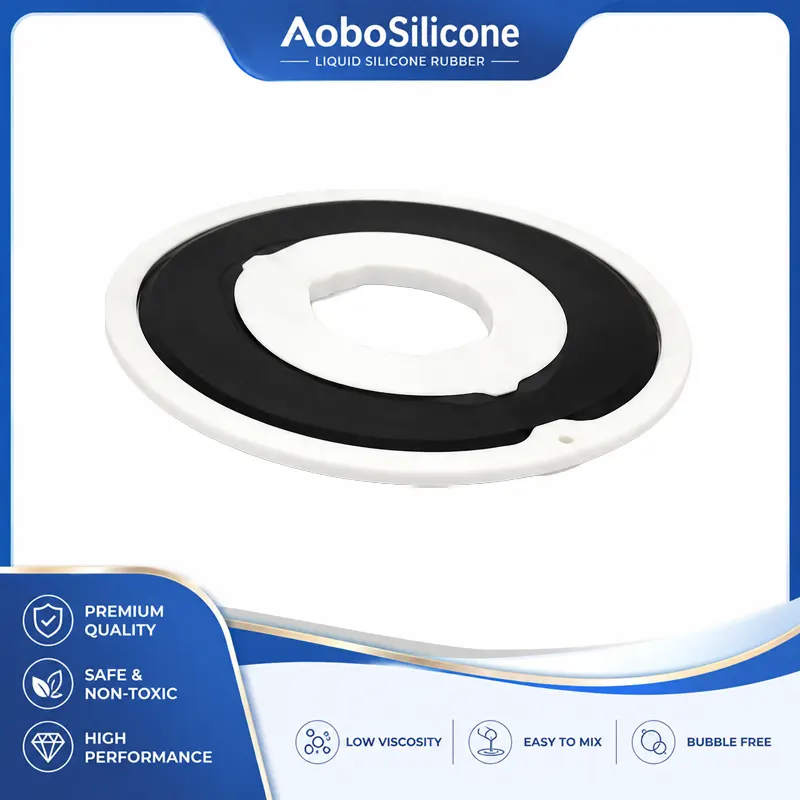
The sealing mechanism can be radial (sealing against a cylindrical surface), axial (sealing against a flat face), or a combination of both. Radial seals, commonly used in cylindrical connectors, rely on the gasket's compression between the inner and outer housing walls. Axial seals, often found in rectangular or multi-pin connectors, compress the gasket between two flat surfaces.
Ribbed designs increase the number of sealing barriers, providing redundancy in case of minor surface imperfections. Each rib creates a separate sealing line, and the spaces between ribs can act as pressure relief zones or debris traps.
5.2. Housing Material Compatibility
The connector housing material—typically polyamide (PA), polybutylene terephthalate (PBT), or other engineering thermoplastics—must be compatible with the silicone gasket. Some silicone formulations may contain plasticizers or low-molecular-weight cyclic siloxanes that can migrate into the housing material, causing stress cracking or dimensional changes. Unprimed adhesion to engineering plastics is a desirable property that enhances the seal's robustness.
5.3. Assembly and Mating Forces
The gasket design must balance sealing performance against acceptable assembly forces. Excessive insertion force can damage connector terminals or make assembly difficult on production lines. Self-lubricating silicone grades reduce friction during mating, easing assembly while maintaining sealing effectiveness.
5.4. Tolerance Stack-Up
Manufacturing tolerances in connector housings and gaskets can accumulate, affecting the actual compression achieved in the assembled connector. Statistical tolerance analysis is used to ensure that the gasket remains within its optimal compression range across all possible tolerance combinations.
5.5. Service Life and Durability
Automotive connectors are expected to maintain their seal for the vehicle's entire service life, often with multiple mating and unmating cycles during manufacturing, service, and repair. The gasket material must resist permanent set, abrasion, and wear from repeated connector operations.
Design verification typically involves a combination of finite element analysis (FEA) for stress prediction and physical testing to validate performance under simulated service conditions.
6. Quality Verification and Testing Methods
Ensuring the reliability of an Automotive Connector Silicone Rubber Gasket requires a comprehensive testing regimen that covers material properties, dimensional accuracy, and functional performance. Industry standards such as USCAR-2, ISO 16750, and various OEM specifications provide frameworks for qualification testing.
- Compression Set Testing – measures the permanent deformation after prolonged compression at elevated temperature. Low compression set values indicate excellent long-term sealing force retention.
- Leakage Testing – typically performed with pressurized air or helium to detect any fluid bypass paths through the sealed connector interface.
- Thermal Cycling – subjects the assembled connector to repeated temperature extremes to evaluate the gasket's ability to maintain sealing force through thermal expansion and contraction cycles.
- Vibration Testing – simulates vehicle operating conditions to verify that the gasket does not loosen or lose sealing integrity under mechanical excitation.
- Chemical Resistance Testing – exposes the gasket to relevant automotive fluids (engine oil, coolant, brake fluid, fuel) at elevated temperatures to assess material compatibility and performance retention.
- Dimensional Inspection – verifies that the gasket's critical dimensions fall within specified tolerances using optical measurement or coordinate measuring machines.
- Hardness Verification – confirms that the Shore A hardness matches the specification, as deviations can significantly affect sealing performance.
In addition to these standard tests, some applications may require specialized evaluations such as:
- Salt spray testing – for connectors exposed to road de-icing salts.
- UV exposure testing – for exterior or partially exposed connectors.
- Insulation resistance testing – to verify dielectric properties after environmental exposure.
- Fluid immersion testing – with specific fluids at elevated temperatures for extended durations.
Qualified suppliers typically maintain in-house testing capabilities to support rapid design iterations and production quality control. Aobo employs comprehensive testing protocols aligned with international automotive standards, ensuring that each gasket meets the rigorous demands of modern vehicle platforms.
7. Frequently Asked Questions
With proper material selection and design, silicone rubber gaskets can last the entire service life of the vehicle—typically 15 years or more. The actual lifespan depends on operating temperature, chemical exposure, and mechanical stress. High-quality LSR and HCR grades formulated for automotive applications exhibit excellent aging resistance and maintain sealing properties over extended periods.
Silicone rubber offers superior thermal stability (up to +200°C vs. approximately +120°C for EPDM) and better low-temperature flexibility. While EPDM provides excellent resistance to water and some chemicals, it degrades more rapidly under ozone and UV exposure. Silicone also maintains its elasticity and sealing force better after prolonged compression, making it the preferred choice for demanding automotive connector applications.
Common failure modes include: (1) excessive compression set leading to loss of sealing force, (2) chemical degradation from incompatible fluids, (3) mechanical damage during assembly or service, (4) extrusion into gaps under high pressure, and (5) thermal aging that embrittles the material. Most failures can be prevented through proper material selection, robust design, and adherence to assembly guidelines.
Yes. Silicone rubber's high dielectric strength and thermal stability make it suitable for high-voltage EV connectors. Special formulations with enhanced flame retardancy and tracking resistance are available for these applications. The gasket must also be compatible with the dielectric fluids used in some EV battery cooling systems.
Typical hardness ranges from 20 to 70 Shore A. Softer grades (20-40 Shore A) conform better to surface irregularities and provide superior sealing at lower compression forces. Harder grades (50-70 Shore A) offer better resistance to extrusion and are preferred for higher-pressure applications. The optimal hardness depends on the specific connector design and operating conditions.
Need a reliable sealing solution for your automotive connectors?
Our engineering team specializes in custom-engineered silicone rubber gaskets for automotive, EV, and industrial applications.
Contact usGet expert guidance on material selection, design optimization, and production scalability.