How Has the Production Capacity of Chinese Silicone Product Factories Developed?
Chinese silicone product factories are evolving from traditional molding toward precision manufacturing, automation, and multi-process production. With upgraded equipment, advanced mold technology, and stricter quality control, modern manufacturers can improve production efficiency, product consistency, and customization capabilities. From prototype development to bulk production, these improvements help meet the changing needs of global silicone product buyers.
From Traditional Compression Molding to Diverse Manufacturing Processes
In the early stages of the industry, silicone products were mainly manufactured through solid silicone compression molding, with relatively simple equipment and production processes. As industries such as electronics, automotive, medical care, baby products, and consumer goods have placed higher demands on silicone components, Chinese silicone product factories have increasingly adopted liquid silicone rubber injection molding, silicone overmolding, and silicone-plastic bonding processes to meet different product structures and application requirements.
Automation Equipment Drives Higher Production Capacity
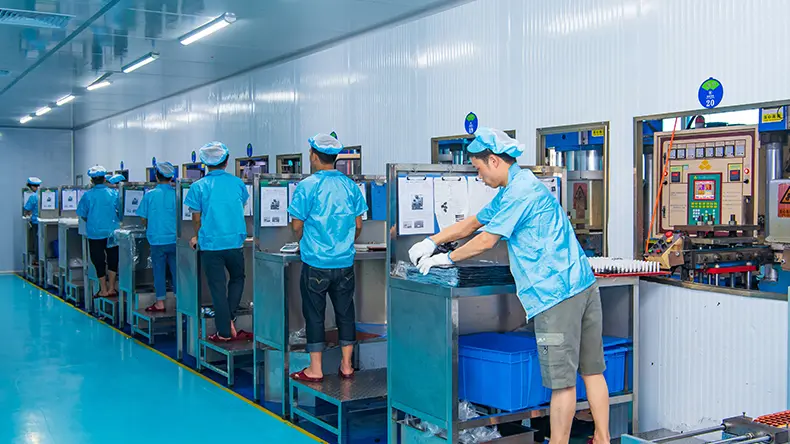
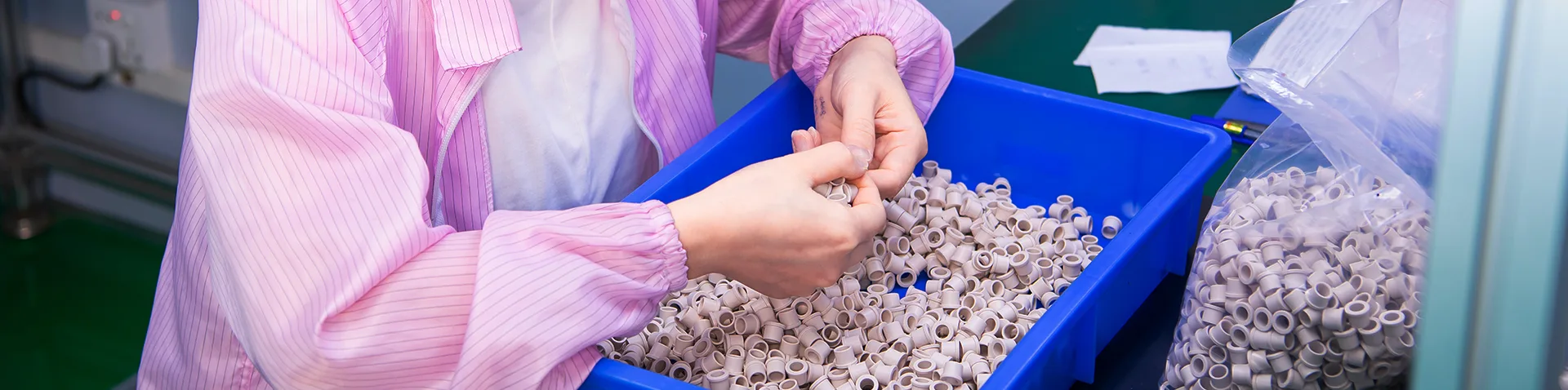
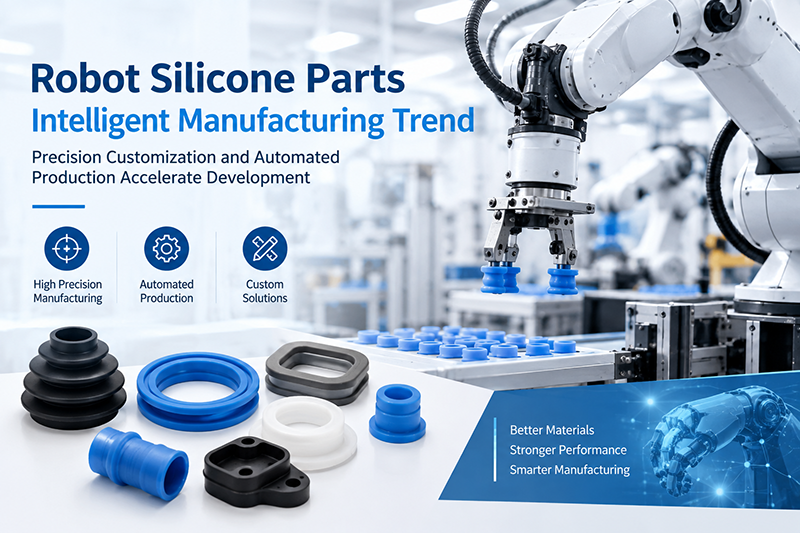
The upgrade of production equipment has become an important factor in improving the manufacturing capacity of silicone factories in China. Automated feeding, molding, temperature control, and inspection systems are gradually being introduced into production processes. These technologies help reduce errors caused by manual operations while improving production speed and consistency.
For precision products such as automotive seals, silicone keypads, and medical components, stable temperature, pressure, and molding time are critical to product quality. Modern equipment allows key production parameters to be controlled more precisely, helping maintain dimensional stability across large production batches.
Mold Development Has Become a Key Manufacturing Capability
In addition to production equipment, mold design and development capabilities have a direct impact on silicone product manufacturing efficiency. In the past, mold modification could take considerable time. Today, more factories are developing in-house mold capabilities, allowing them to optimize product structures, design molds, and produce prototypes based on customer drawings or samples.
From prototyping and small-batch validation to full-scale production, the manufacturing process is becoming more integrated. This allows complex silicone products to move from development to mass production more efficiently.
Quality Control Is Becoming More Systematic
As overseas markets place greater emphasis on product quality and material safety, Chinese silicone product factories are also upgrading their inspection and quality management systems. Incoming material inspection, first article approval, in-process inspection, and finished product testing are gradually becoming standardized parts of the manufacturing process.
Aobo Silicone, for example, continues to strengthen its capabilities in silicone rubber manufacturing, mold development, quality inspection, and bulk production. Depending on the application, the factory can provide different material solutions, including food-grade and industrial-grade silicone, while supporting customers from prototype development through mass production.
Greater Focus on Precision and Intelligent Manufacturing
From an industry perspective, Chinese silicone product factories are gradually shifting from simply increasing output toward improving manufacturing quality and overall production efficiency. In the future, automated equipment, digital production management, precision mold technology, and advanced liquid silicone rubber processes are expected to remain important directions for industry development.
For overseas customers looking to customize silicone products, working with a factory that has capabilities in mold development, precision manufacturing, quality inspection, and bulk delivery can help shorten development cycles and improve project execution. Contact Aobo Silicone for prototype development, customized silicone solutions, and reliable bulk production support.
Related News
- Silicone Baby Feeding Plate Manufacturer: Comprehensive Support from Material Standards to Custom Production
- Automotive Silicone Parts Market Development Trends
- What Information Is Needed for Custom Silicone Products? A Guide to Preparing for Manufacturer Communication
- How Can Automotive Silicone Sealing Products Improve Waterproof Performance?
- Silicone Eye Patches Gain Attention as Flexible Fit Design Becomes a New Direction in Product Development
- Development Trends of Eco-Friendly Silicone Materials: Green Manufacturing and Sustainable Applications
Leave me a message