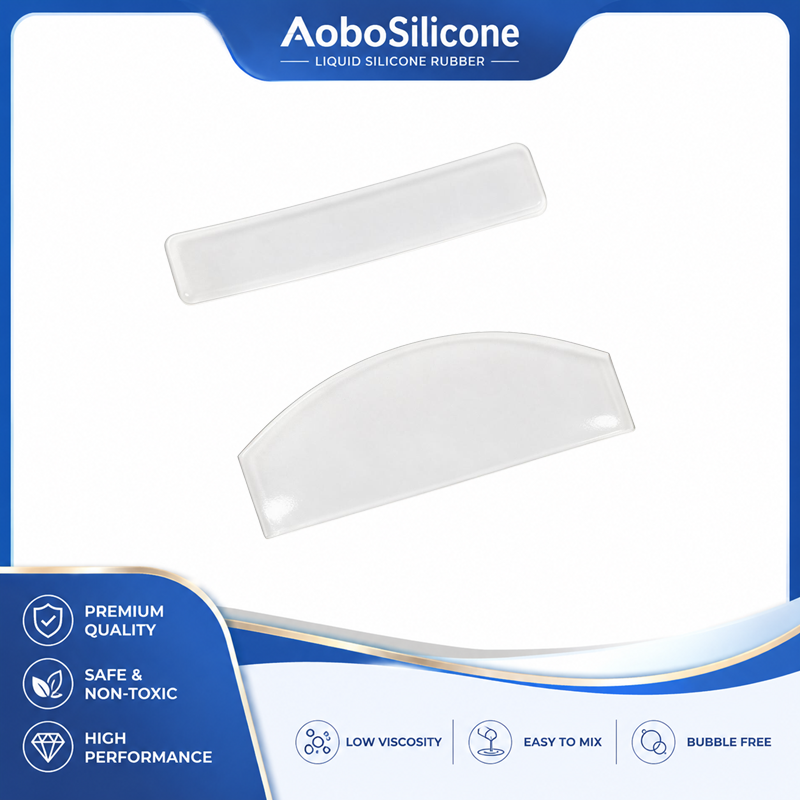
Silicone Eye Patches Gain Attention as Flexible Fit Design Becomes a New Direction in Product Development
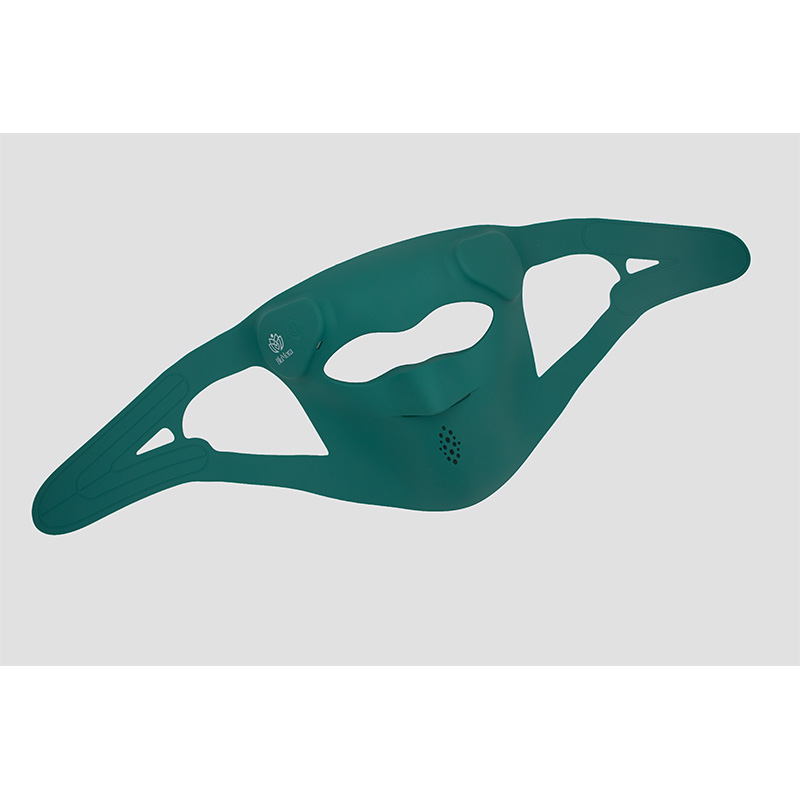
As eye-area care becomes increasingly specialized, eye patch products are moving beyond traditional single-use formats toward designs that place greater emphasis on fit, comfort, and reusable performance. Among these products, silicone eye patches made from flexible silicone materials are gradually gaining attention in beauty care, daily eye-area care, and related personal care applications due to their flexibility, close fit, and design adaptability.
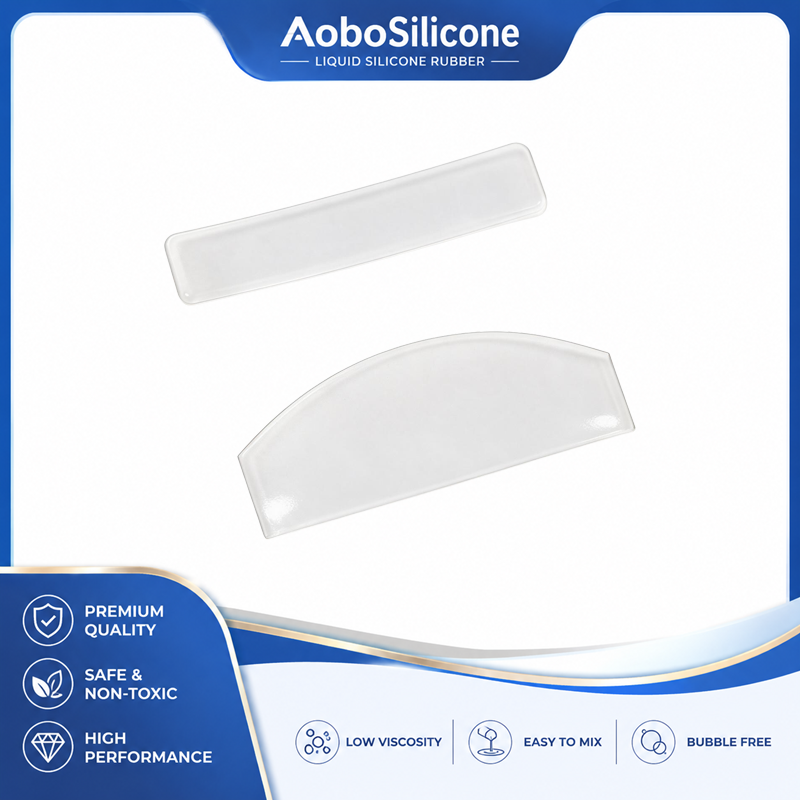
Compared with conventional flat eye patches, silicone materials can deform to a certain extent according to the contours around the eyes, helping the product maintain a stable fit during use. For product developers, factors such as material softness, thickness, edge structure, and surface feel can all affect the overall user experience. Therefore, when developing silicone eye patches, manufacturers need to consider not only the appearance but also facial contours, wearing duration, and specific application scenarios.
From a manufacturing perspective, silicone eye patches also offer a wide range of customization possibilities. Depending on the product positioning, manufacturers can adjust the size, thickness, hardness, color, surface texture, and packaging format. Different shapes and structures can also be developed according to brand requirements. For products designed for repeated use, material selection and mold precision are equally important factors in maintaining consistent product quality.
Today, demand for eye-area care products is becoming more segmented and personalized. The combination of flexible materials and ergonomic contour design is creating new opportunities for silicone eye patches and related product development. From daily care to beauty support applications, different usage scenarios are encouraging manufacturers to further optimize materials, structure, and wearing comfort.
Customized Silicone Eye Patch Manufacturing
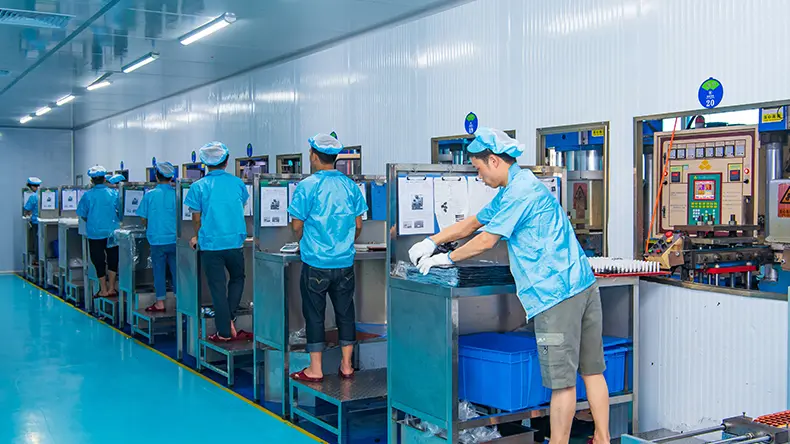
Aobo Silicone specializes in silicone product development and manufacturing and provides customized silicone eye patches based on customer drawings, samples, and product requirements. Custom options include size, thickness, hardness, color, structure, surface design, and packaging, with support for prototype development and mass production.
Related News
- Silicone Baby Feeding Plate Manufacturer: Comprehensive Support from Material Standards to Custom Production
- Automotive Silicone Parts Market Development Trends
- What Information Is Needed for Custom Silicone Products? A Guide to Preparing for Manufacturer Communication
- How Can Automotive Silicone Sealing Products Improve Waterproof Performance?
- How Has the Production Capacity of Chinese Silicone Product Factories Developed?
- Development Trends of Eco-Friendly Silicone Materials: Green Manufacturing and Sustainable Applications
Leave me a message