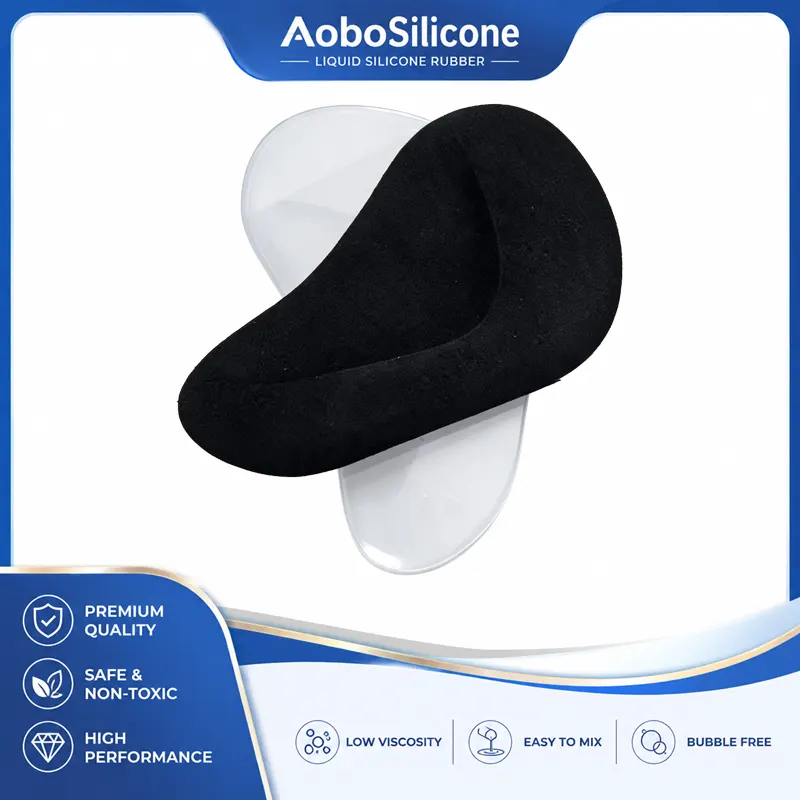
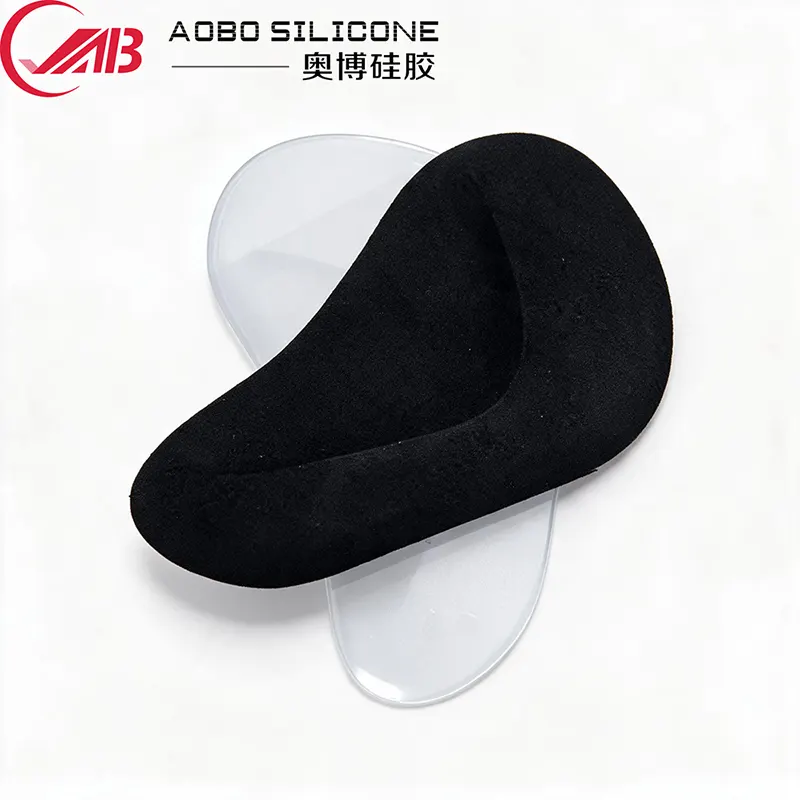
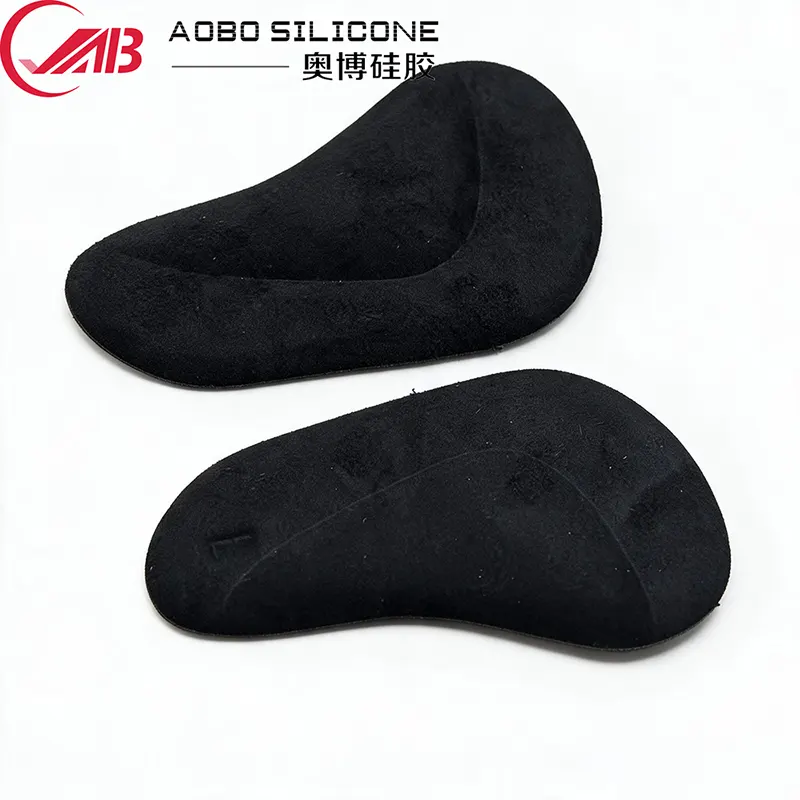
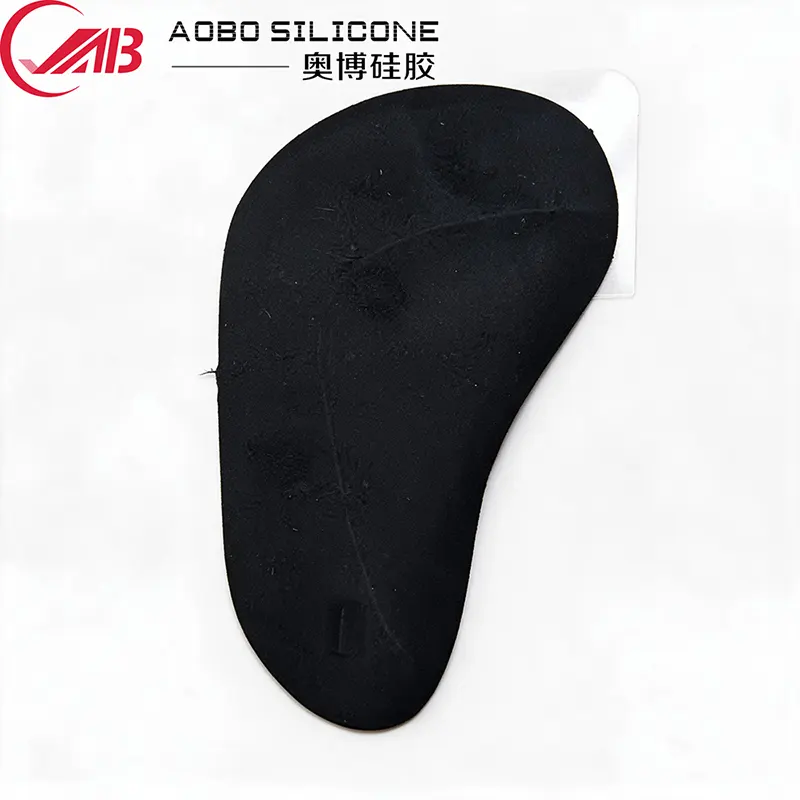
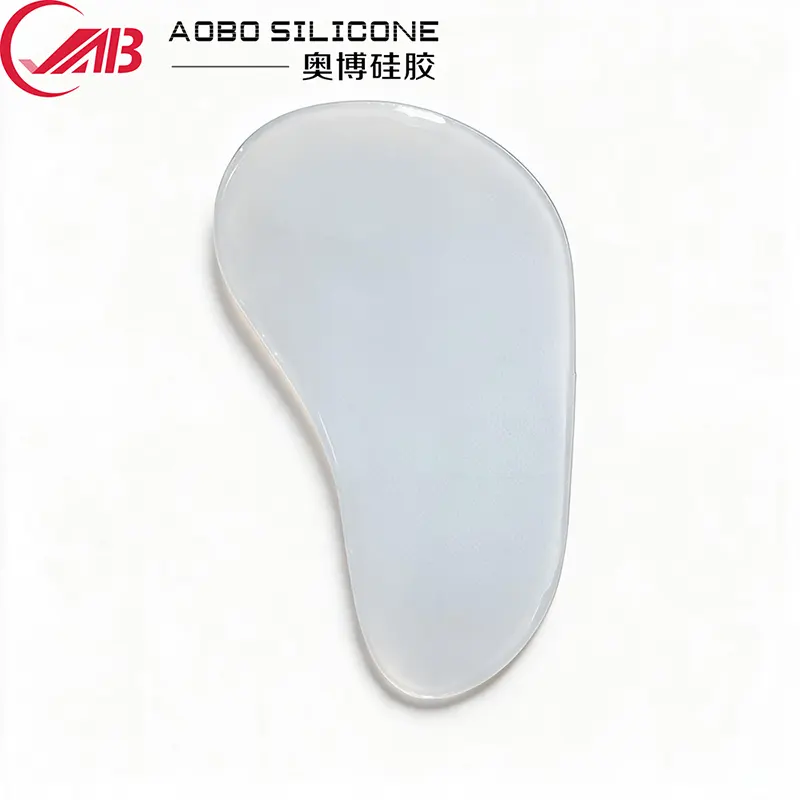
Silicone Gel Arch Support Pads
Aobo Silicone, a professional silicone products manufacturer in China, specializes in Silicone Gel Arch Support Pads for footwear brands, foot care companies, and e-commerce sellers. Made from flexible silicone gel, our pads provide cushioning, pressure distribution, and arch support. Custom sizes, hardness, colors, packaging, samples, and bulk production are available.
Silicone Gel Arch Support Pads are flexible silicone support components designed to be positioned around the arch area inside footwear. By combining the elasticity and cushioning properties of silicone with an anatomically designed support structure, they provide additional support and comfort for the foot arch.
For footwear brands, foot care product companies, and businesses developing private-label products, standard insoles may not always provide the required fit, support level, or product positioning. Arch support pads can be used as standalone foot care products or integrated into insoles, shoe liners, and other footwear comfort solutions.
Key Product Values
· Arch Support: A curved support structure conforms to the arch area and provides flexible support for the foot.
· Pressure Distribution: Silicone gel cushioning helps distribute localized pressure during walking, standing, and movement.
· Soft Comfort: Compared with rigid support components, flexible silicone provides a softer and more adaptable contact surface.
· Anti-Slip Positioning: Surface textures, bottom structures, or adhesive layers can be added to help reduce movement inside footwear.
· Custom Product Development: Dimensions, hardness, shape, and structure can be adjusted according to different shoe designs and application requirements.
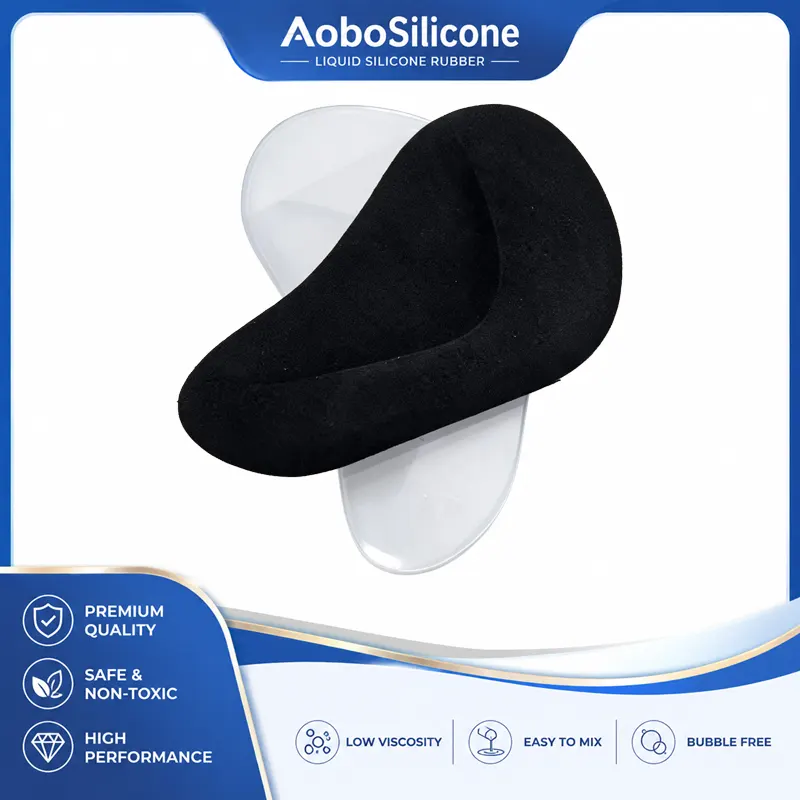
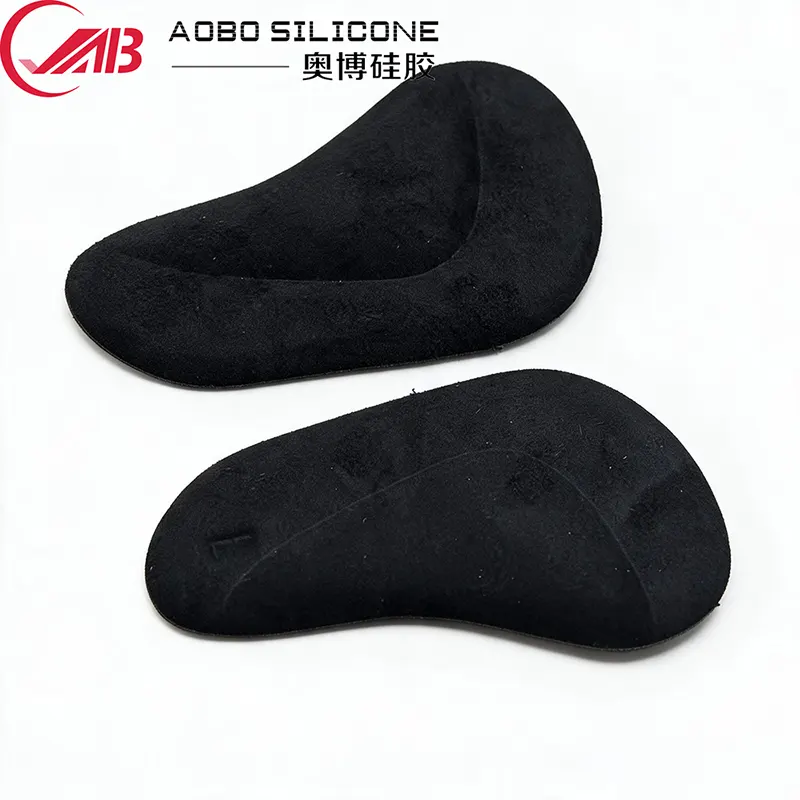
Key Product Advantages
1. Flexible Silicone Material → Balanced Cushioning and Support
Different silicone or silicone gel hardness levels can be selected according to the application, helping balance softness, support, and resilience. This makes the product suitable for applications involving prolonged standing, walking, exercise, and everyday footwear.
2. Curved Arch Structure → Improved Product Compatibility
The arch height, width, left/right structure, and overall profile can be adjusted according to the target application. Product thickness and contour can also be optimized according to the available space inside the shoe, helping reduce structural incompatibility and localized pressure.
3. Precision Molded Production → Consistent Batch Quality
Silicone compression molding and related molding processes can be used to control product dimensions, thickness, edge profiles, and surface textures. Stable production parameters help maintain consistency across different production batches, which is important for branded footwear products.
4. Flexible Silicone Structure → Suitable for Repeated Bending
Silicone naturally offers good flexibility and can withstand repeated bending and compression in footwear environments. With proper structural design, the product can reduce the risk of cracking, edge lifting, and deformation during regular use.
5. Multiple Customization Options → More Efficient Product Development
Products do not need to be limited to standard sizes. Dimensions, hardness, colors, and structures can be customized according to footwear design and market positioning. For product lines requiring multiple specifications, this also helps simplify supplier coordination and development.
Detailed Technical Specifications
The following specifications are reference ranges for standard products. Final specifications can be confirmed according to footwear structure, arch shape, and application requirements.
Basic Dimensions
|
Item |
Standard Specification |
Customization |
|
Product Type |
Arch support pad |
Custom available |
|
Length |
Approx. 70–120 mm |
Customized according to drawings |
|
Width |
Approx. 40–80 mm |
Customized according to arch structure |
|
Thickness |
Approx. 2–15 mm |
Adjustable |
|
Shape |
Left/right or universal |
Custom irregular shapes available |
|
Surface Structure |
Smooth / textured |
Customizable |
|
Logo |
None / printed / molded |
Custom available |
Material & Physical Properties
|
Item |
Reference Specification |
|
Main Material |
Silicone / Silicone Gel |
|
Hardness |
Shore A 20–80 |
|
Material Characteristics |
Flexible, resilient, cushioning |
|
Color |
Transparent, translucent, custom colors |
|
Surface Treatment |
Smooth, textured, anti-slip structures |
|
Odor Control |
Controlled according to material system and processing |
|
Material Formulation |
Can be developed according to application requirements |
Performance & Durability
|
Performance Item |
Product Characteristics |
|
Flexing Performance |
Suitable for repeated bending inside footwear |
|
Compression Performance |
Offers elastic recovery properties |
|
Temperature Resistance |
To be confirmed according to the specific silicone system |
|
Anti-Slip Performance |
Can be optimized through textures or adhesive structures |
|
Durability |
Evaluated according to usage frequency and loading conditions |
|
Dimensional Stability |
Dimensions are sampled and inspected during mass production |
Key Customization Options
Size|Thickness|Hardness|Color|Arch Height|Curved Structure|Anti-Slip Texture|Adhesive Structure|Logo|Packaging|Labeling
Customers with existing product drawings, 3D files, or physical samples can work with Aobo Silicone on sample development and manufacturing process evaluation.
Full Range of Application Fields
1. Footwear Brands
Suitable for sports shoes, casual footwear, work shoes, leather shoes, boots, and other footwear categories.
Dimensions and thickness can be adjusted according to different shoe lasts and available internal space, allowing the support component to integrate more effectively into the existing shoe structure.
2. Sports Shoes & Athletic Products
Suitable for running shoes, training shoes, hiking footwear, and everyday sports shoes.
The flexible silicone structure provides cushioning characteristics and can be used together with insoles and shoe liners.
3. Foot Care Products
The product can be used as an independent foot comfort component or as part of a larger foot care product.
Different arch profiles can be developed for different product concepts and market positioning.
4. Work Shoes & Long-Standing Footwear
Suitable for work shoes, safety footwear, service-industry footwear, and other products used during prolonged standing or walking.
Arch height, contact area, and material hardness can be optimized according to the expected use conditions.
5. Cross-Border E-Commerce Foot Care Products
Transparent, skin-tone, black, and other custom colors can be developed, together with individual packaging, labels, barcodes, and branded packaging solutions.
This allows different product specifications and positioning strategies to be developed under one supply system.
6. OEM/ODM Footwear Components
For new arch-support product development, Aobo Silicone can assist with dimensions, 3D structure, material hardness, molding, samples, and packaging as part of an integrated development process.
Certifications & Quality Control
Different markets and applications may require different testing standards. Aobo Silicone can provide relevant material and product documentation according to the requirements of the project, including:
· FDA-related food-contact material/product testing documentation
· LFGB-related testing documentation
· RoHS
· REACH
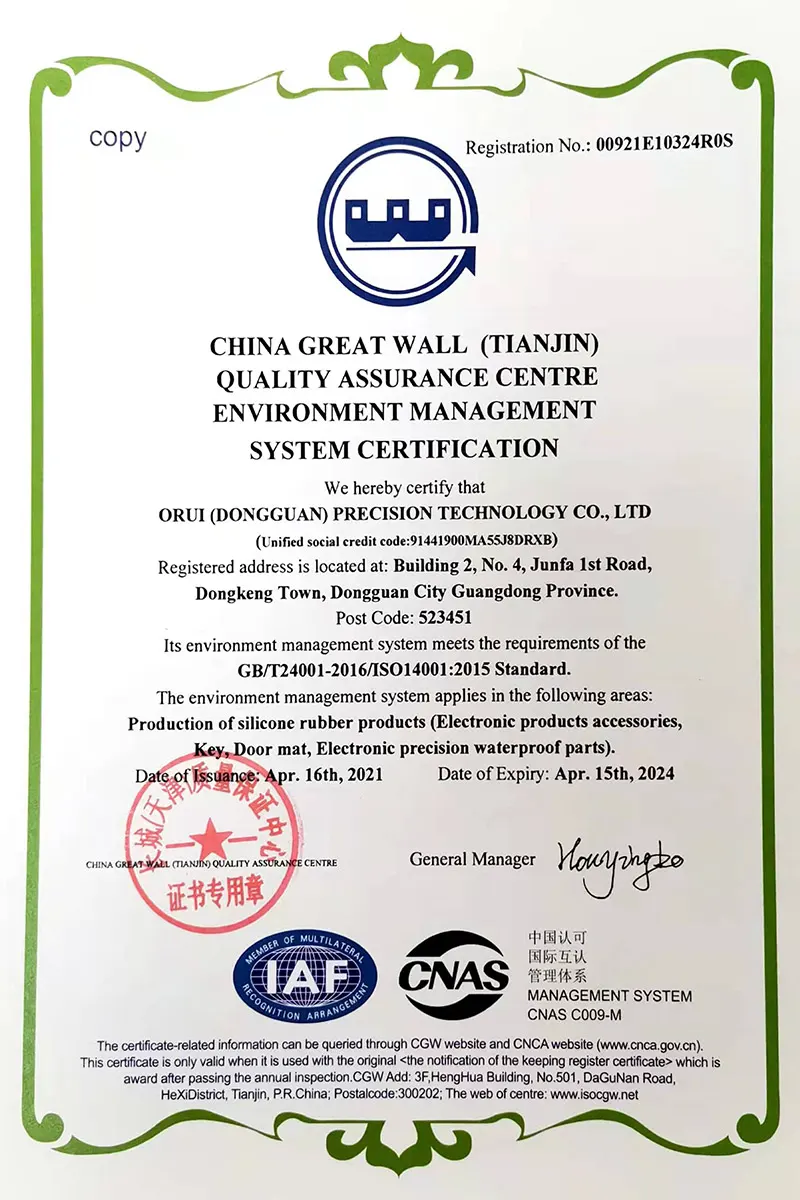
· ISO 9001
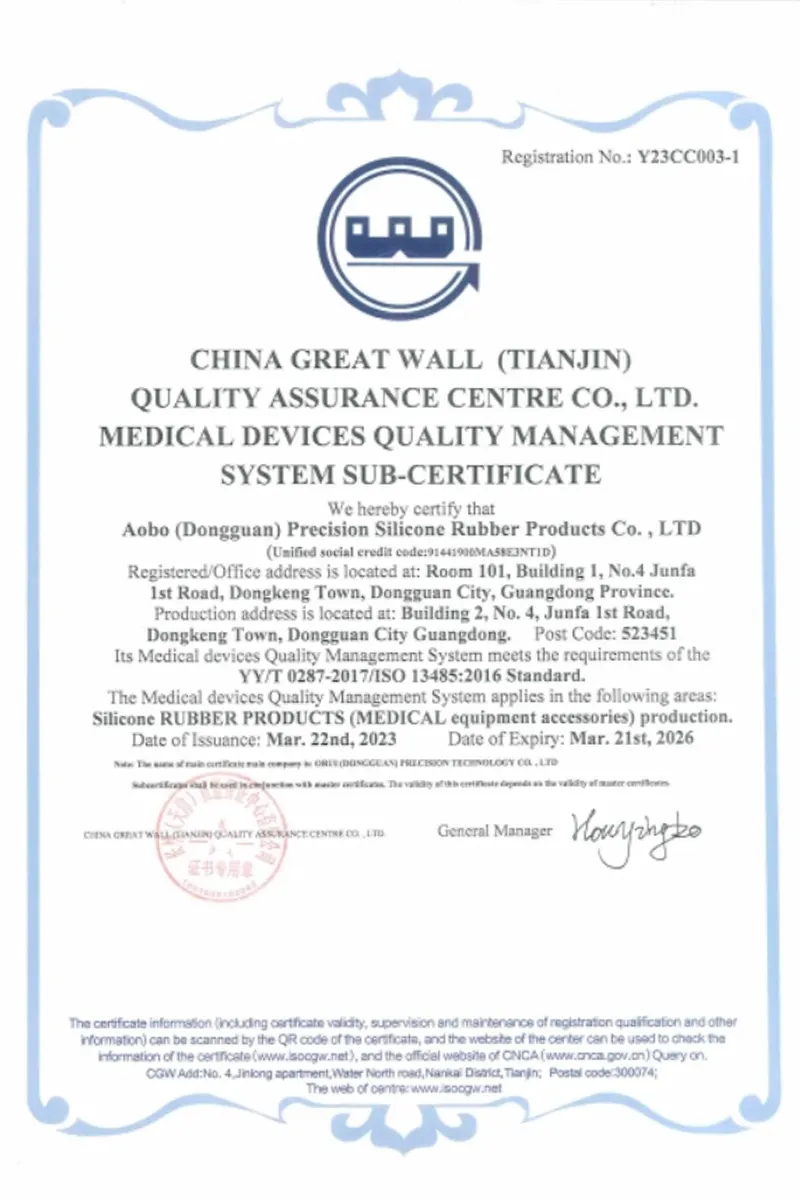
· For medical-related projects, ISO 10993-related material or product testing can be supported according to project requirements
The applicable certifications and testing requirements should be confirmed according to the final application, material system, and target market.
Complete Quality Control Process
Raw Material Inspection → Material Verification → Mold Confirmation → First Article Inspection → In-Process Inspection → 100% Appearance Inspection → Dimensional Sampling → Performance Testing → Packaging Inspection → Batch Retention Samples → Shipment
Key quality checkpoints include:
· Product dimensions and thickness consistency
· Hardness stability
· Surface defects
· Flash and edge quality
· Bubbles and foreign particles
· Left/right product consistency
· Adhesive or anti-slip structure integrity
· Packaging quantity and labeling accuracy
6. Competitive Advantages | Why Choose Aobo Silicone
Product-Level Advantages
|
Comparison Item |
Common Market Products |
Aobo Silicone Solutions |
|
Material Selection |
Mainly standard materials |
Silicone/silicone gel systems selected according to application |
|
Hardness |
Fixed specifications |
Shore A 20–80 available |
|
Dimensions |
Standard sizes |
Custom based on drawings or samples |
|
Arch Structure |
General-purpose design |
Different curved structures can be developed |
|
Surface Structure |
Standard smooth surface |
Anti-slip textures and other structures available |
|
Logo |
Not always available |
Custom brand logo available |
|
Packaging |
Standard packaging |
Custom branded packaging available |
Factory-Level Advantages
Aobo Silicone has 23 years of experience in silicone rubber product manufacturing, with capabilities covering mold development, silicone molding, quality inspection, and volume production.
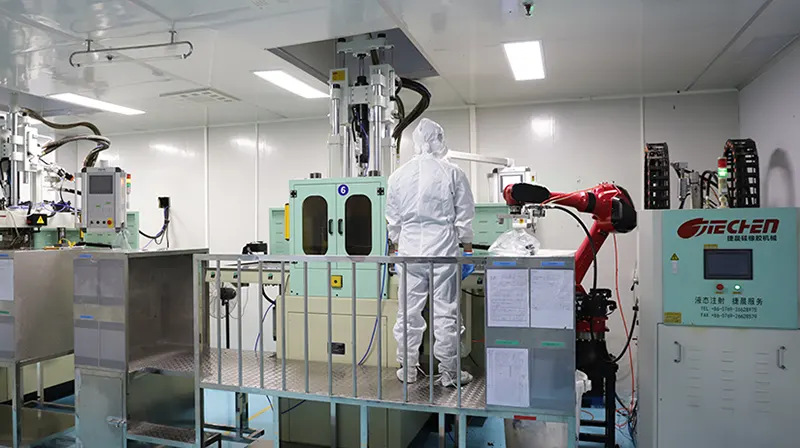
Our approximately 10,000 m² production base is equipped with silicone manufacturing and supporting production systems, allowing projects to move from product design and mold development to sample production and bulk delivery within an integrated manufacturing process.
For long-term projects, production parameters and quality standards can be established based on the approved product specifications, helping maintain consistency between different production batches.
Real-World Application Feedback
In actual footwear development projects, customers typically focus on whether the product can remain properly positioned, whether dimensions remain consistent in mass production, and whether the component is resistant to movement, deformation, or detachment during use.
For sports shoes and everyday footwear, development teams may evaluate the compatibility between the arch-support structure and the insole, followed by walking, bending, and repeated compression tests to verify the design.
During trial production, some customers compare different hardness and thickness options before selecting the final version based on shoe-last dimensions and actual use feedback. This approach helps reduce unnecessary design changes after large-scale production begins.
For customized projects, Aobo Silicone recommends completing dimension, hardness, structure, adhesion, and durability verification before mass production.
Sample & Testing Support
Available Sample Types
Depending on the project stage, we can provide:
· Standard specification samples
· Custom-size samples
· Samples based on technical drawings
· Samples reproduced from physical products
· Samples with different hardness levels
· Samples with different structures for comparison
Sample Lead Time
Standard samples can usually be arranged according to stock availability and production scheduling. Custom samples depend on mold complexity and structural requirements.
Typical reference lead times:
Standard Samples: 1–3 days
Custom Samples: 3–7 days
Actual lead time will depend on product structure and mold development requirements.
Sample Cost
Standard samples can be discussed based on the actual project. For customized products requiring new molds, mold development costs are calculated according to mold structure, processing method, and order quantity.
Testing Documentation
Customers can request relevant material or product testing documentation according to project requirements. For markets with specific regulatory requirements, it is recommended to confirm the required testing items during the sample stage to avoid material changes after mass production.
Packaging Solutions & Logistics
Standard Packaging
Depending on product size and order quantity, packaging options may include:
· Individual PE bags
· Multi-piece bags
· Color boxes
· Inner cartons
· Outer cartons
· Protective separators
For transparent or flexible silicone products, packaging is designed to reduce friction, compression, and contamination during transportation.
Custom Packaging
Branding and packaging options include:
Logo Packaging|Color Boxes|Instruction Sheets|Labels|Barcodes|Shipping Marks|Product Stickers
Bulk Production
Aobo Silicone can arrange production schedules based on order quantity, product structure, and required delivery date.
Standard bulk orders are scheduled after product specifications are approved. Urgent projects can be discussed in advance so production capacity and delivery requirements can be coordinated accordingly.
Logistics Options
We can support:
· Sea Freight
· Air Freight
· International Express
· Rail Freight
· Customer-Appointed Freight Forwarders
For export orders, logistics arrangements can be coordinated according to the customer's destination and agreed trade terms.
After-Sales Support & Service Commitment
12-Month Quality Assurance
Aobo Silicone provides a 12-month quality assurance period for products manufactured according to mutually confirmed specifications and used under normal conditions.
If batch-related material, molding, or dimensional issues are identified, customers can provide batch information, product photos, quantities, and relevant test results for quality evaluation.
Quality Issue Handling Process
Customer Feedback → Batch Information Collection → Sample/Photo Review → Technical Analysis → Root Cause Evaluation → Solution Confirmation → Rework / Replacement / Other Agreed Solution
For confirmed manufacturing quality issues, solutions such as rework, replacement production, or supplementary shipment can be arranged according to the actual situation.
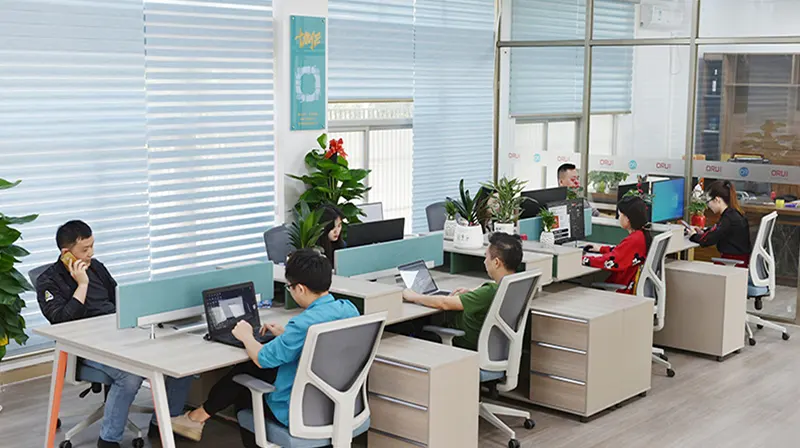
Each project can also be supported by a dedicated sales contact, while the engineering team can assist with product structure, mold development, and material-related technical issues.
FAQ | Frequently Asked Questions About Silicone Gel Arch Support Pads
1. What thickness should be selected for an arch support pad?
A thicker product is not necessarily better. The appropriate thickness depends on the available shoe space, arch height, target footwear type, and intended support level.
For customized projects, samples with different thicknesses can be developed and evaluated under actual footwear conditions.
2. How should I choose between Shore A 20–80 hardness levels?
Lower hardness generally provides a softer feel, while higher hardness can provide a firmer support response.
For products that prioritize soft cushioning, lower hardness may be considered. For stronger structural support, medium to higher hardness can be evaluated. Final selection should be based on application testing.
3. Can Silicone Gel Arch Support Pads be made transparent?
Yes.
Transparent or translucent silicone is suitable for footwear applications where a less visible appearance is preferred. Skin-tone, black, and other custom colors are also available.
4. Can the product be customized according to my shoe last?
Yes.
Customers can provide shoe-last dimensions, product drawings, 3D files, or physical samples. The engineering team can then evaluate the available internal space and arch area for structural customization.
5. How can movement inside the shoe be reduced?
Positioning performance can be improved through bottom structure design, surface texture, contact area optimization, or adhesive solutions.
Because friction varies between different insoles and footwear materials, positioning should be evaluated in the actual shoe model whenever possible.
6. Can a brand logo be added to the product?
Yes.
Depending on the product structure, logos can be applied through molding, printing, or other suitable processes. The specific method depends on logo size, position, and surface design.
7. Can I receive samples with different hardness levels?
Yes.
For projects where the final hardness has not yet been determined, samples with different hardness levels can be prepared for comparison before the mass-production specification is finalized.
8. Can the product be used together with an existing insole?
Yes.
The arch support pad can be used as an independent component or combined with an existing insole and other footwear structures. The final installation method should be evaluated based on insole material, internal space, and positioning requirements.
9. How can product durability be evaluated?
Compression, bending, friction, and actual wear tests can be performed.
For products intended for extended use, durability testing can also be developed based on the customer's expected service life and usage conditions.
10. What information is required for a customized product?
If you already have a product concept, it is recommended to provide product dimensions, structural drawings, 3D files, physical samples, footwear information, and the intended application.
More complete technical information helps the engineering team evaluate material selection, mold structure, and molding methods more accurately.
11. Can I start with a small trial order before bulk production?
Depending on the project, sample development and trial production can be arranged.
For new products, it is recommended to complete sample validation first, then finalize the material, structure, packaging, and production standards before large-scale manufacturing.
12. How can I request a quotation?
Please provide product drawings, reference photos, dimensions, estimated order quantity, material or hardness requirements, and packaging specifications.
Based on this information, the product structure and manufacturing requirements can be evaluated before quotation.
Request a Custom Solution & Samples
If you are developing a new arch support product or looking for a reliable silicone footwear component supplier, you can send your product drawings, physical samples, dimensions, or target order quantity to Aobo Silicone. Our team can evaluate the complete project from materials, structure, mold development, samples, and testing to bulk production, and provide a customized solution based on your application requirements.
Send Inquiry
Contact Info
-
Address
No. 4, Junfa 1st Road, Dongkeng Town, Dongguan City, Guangdong Province, China
-
Tel
-
Email
If you have any enquiry about quotation or cooperation, please feel free to email us at postmaster02@dgabgj.com or use the following inquiry form. Our sales representative will contact you within 24 hours. Thank you for your interest in our products.
Get a Precision Solution Quote in 24 Hours!
Zero-Risk Consultation: Free DFM analysis & material selection advice from our silicone engineers.
Factory-Direct Savings: Eliminate middlemen – save 15-30% vs. distributors.
Fast-Track Scaling: From prototype to 1M+ units with Tesla/BYD-certified QC.
Global Compliance Guarantee: Pre-verified for FDA/ISO/ROHS standards.




News Recommendations