- 1. The Growing Reliance on Silicone E-Cigarette Accessories in Device Engineering
- 2. Understanding the Diverse Range of Silicone E-Cigarette Accessories
- 2.1 Sealing Rings and Gaskets
- 2.2 Mouthpieces and Drip Tips
- 2.3 Protective Sleeves and Covers
- 2.4 Cartridge Caps and Plugs
- 3. Material Science — What Makes Silicone the Ideal Material
- 3.1 Thermal Stability and Heat Resistance
- 3.2 Chemical Inertness and Compatibility
- 3.3 Food-Grade Compliance and Biocompatibility
- 4. Manufacturing Excellence — From Liquid Silicone to Finished Part
- 4.1 Liquid Silicone Rubber Injection Molding
- 4.2 Compression Molding and Alternative Processes
- 5. Quality Control and Precision Tolerances
- 6. Sustainability and the Future of Silicone in Vaping
- 7. Frequently Asked Questions
1. The Growing Reliance on Silicone E-Cigarette Accessories in Device Engineering
The rapid evolution of the vaping industry has placed unprecedented demands on component materials. Among the various materials employed in modern e-cigarette construction, Silicone E-Cigarette Accessories have emerged as an indispensable element of device design and manufacturing. From the simplest sealing ring to complex overmolded protective sleeves, silicone components perform functions that no other material can replicate with the same combination of properties.
Each electronic cigarette typically incorporates between one and five silicone sealing rings, alongside one or two silicone mouthpiece caps, to ensure proper sealing, hygiene, and user comfort. The total global e-cigarette industry reached a valuation of USD 26 billion in 2019, with a compound annual growth rate of 50 percent, driving corresponding demand for high-quality silicone parts. This scale of production requires not only material consistency but also manufacturing precision measured in hundredths of a millimeter.
The reliance on silicone stems from its unique molecular structure — a polymer backbone of silicon-oxygen bonds that confers exceptional thermal stability, chemical resistance, and flexibility across a wide temperature range. Unlike organic polymers that degrade under heat or react with aggressive chemicals, silicone maintains its integrity in environments that would compromise other elastomers. For e-cigarette applications, where components contact e-liquid formulations, experience repeated thermal cycling, and interface with human oral tissues, this combination of properties is not merely advantageous — it is essential.
2. Understanding the Diverse Range of Silicone E-Cigarette Accessories
The term Silicone E-Cigarette Accessories encompasses a broad spectrum of components, each engineered for a specific functional role within the device architecture. Understanding this diversity is essential for appreciating the material's versatility and the engineering challenges involved in manufacturing each type.
2.1 Sealing Rings and Gaskets
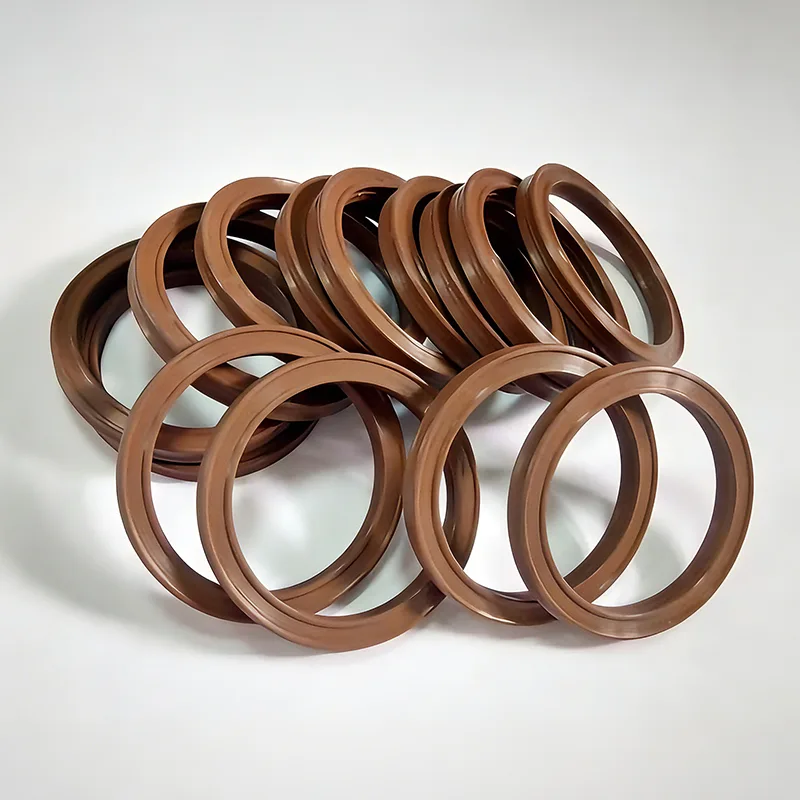
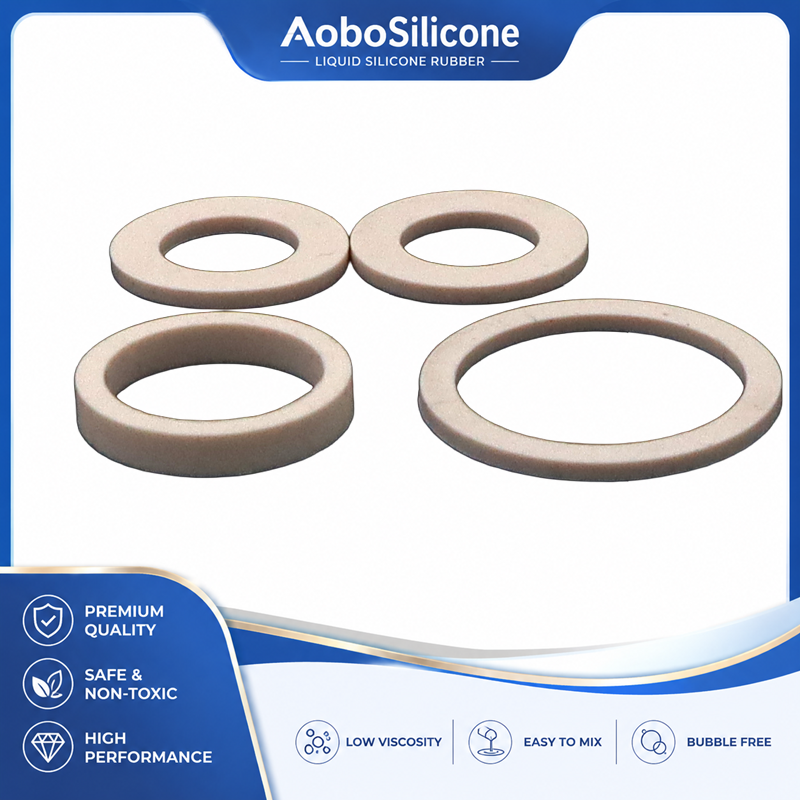
Sealing rings represent the most ubiquitous category of silicone e-cigarette components. These small but critical parts prevent e-liquid leakage from tanks, cartridges, and atomizer bases — a persistent challenge that has historically plagued the industry. Silicone sealing rings offer superior performance compared to alternatives because they maintain their elastic properties over time, resist chemical degradation from e-liquid ingredients, and provide consistent compression force across a range of operating temperatures.
The precision required for effective sealing rings is substantial. Dimensional tolerances typically fall within ±0.03 millimeters, ensuring that the ring compresses uniformly against mating surfaces without extruding or losing contact. This level of precision, achieved through advanced liquid silicone injection molding, directly impacts the device's reliability and user experience.
2.2 Mouthpieces and Drip Tips
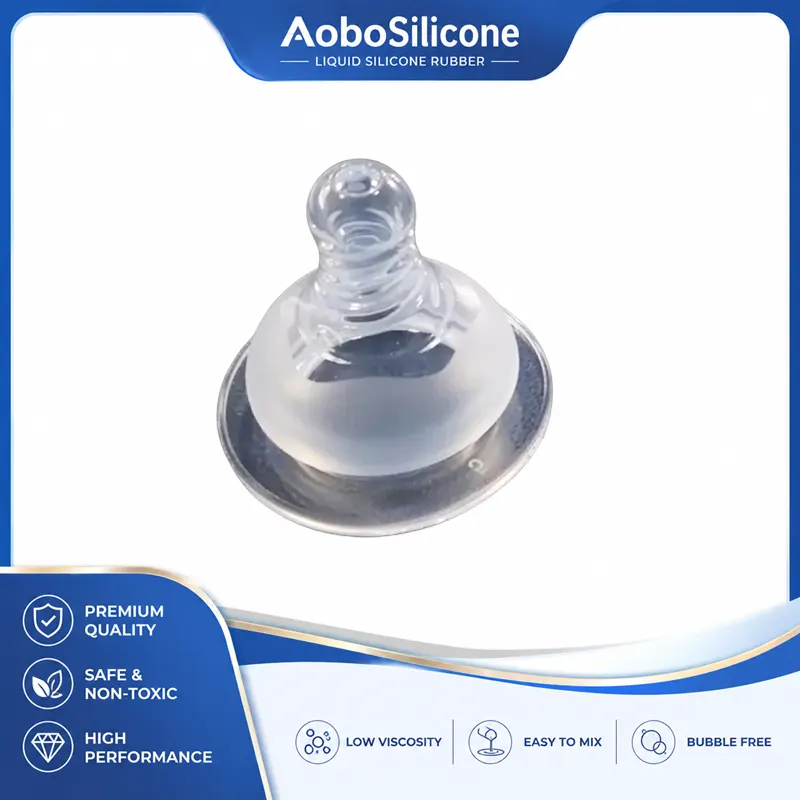
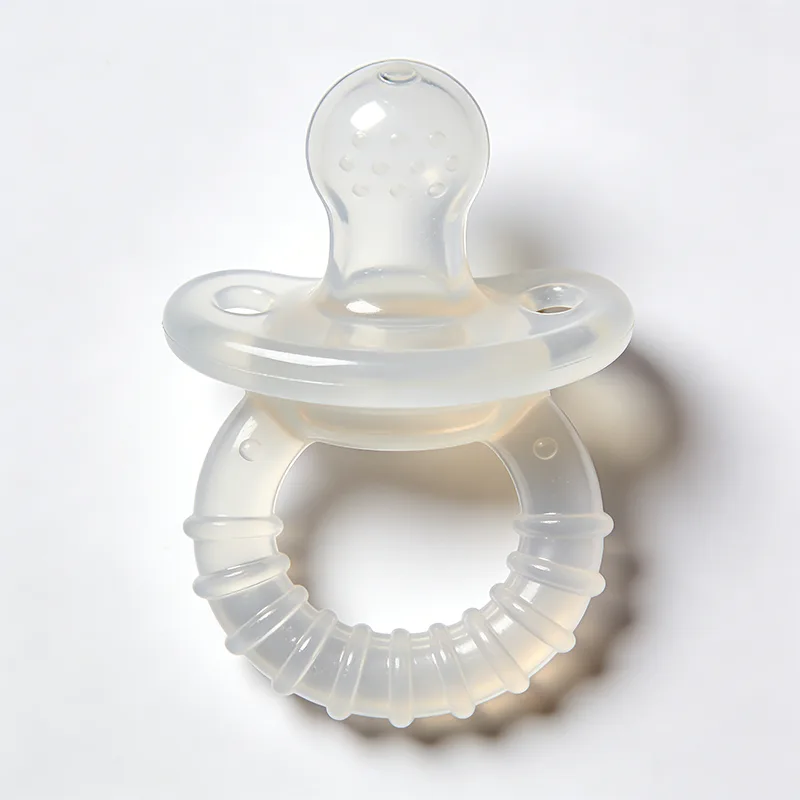
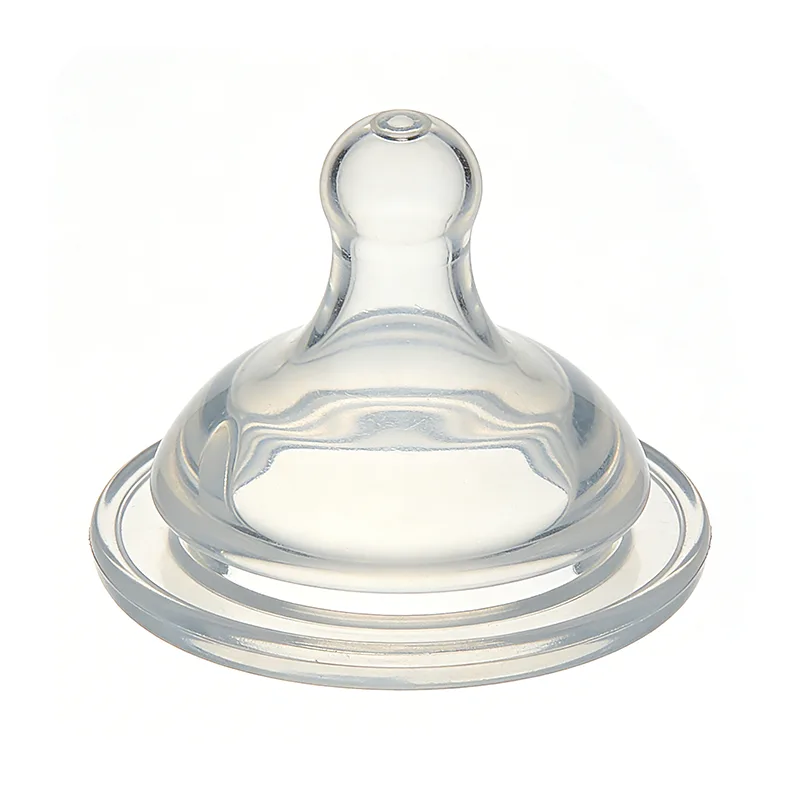
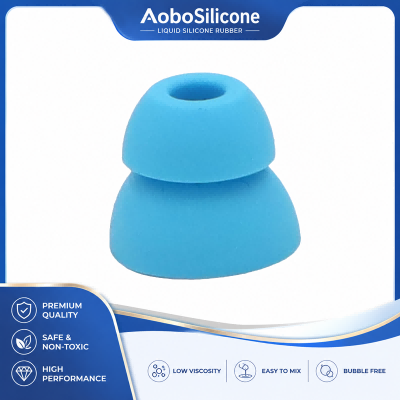
Mouthpieces and drip tips represent the primary user interface of any vaping device. Silicone offers distinct advantages in this application: the material feels softer and more comfortable against the lips than hard plastics or metals. Silicone mouthpieces also insulate heat more effectively than metal alternatives, providing a more comfortable experience when the atomizer operates at elevated temperatures.
From a manufacturing perspective, silicone mouthpieces can be produced in virtually any shape, color, and durometer (hardness) to suit specific device designs and user preferences. The material's moldability allows for complex internal geometries that optimize airflow while maintaining structural integrity — a combination that would be difficult or impossible to achieve with rigid materials.
2.3 Protective Sleeves and Covers
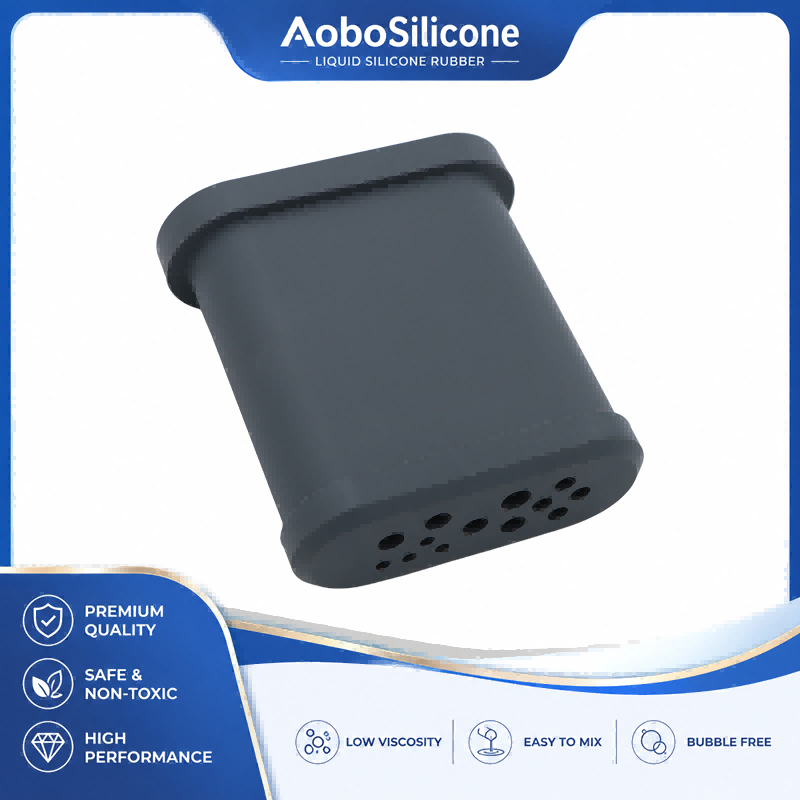
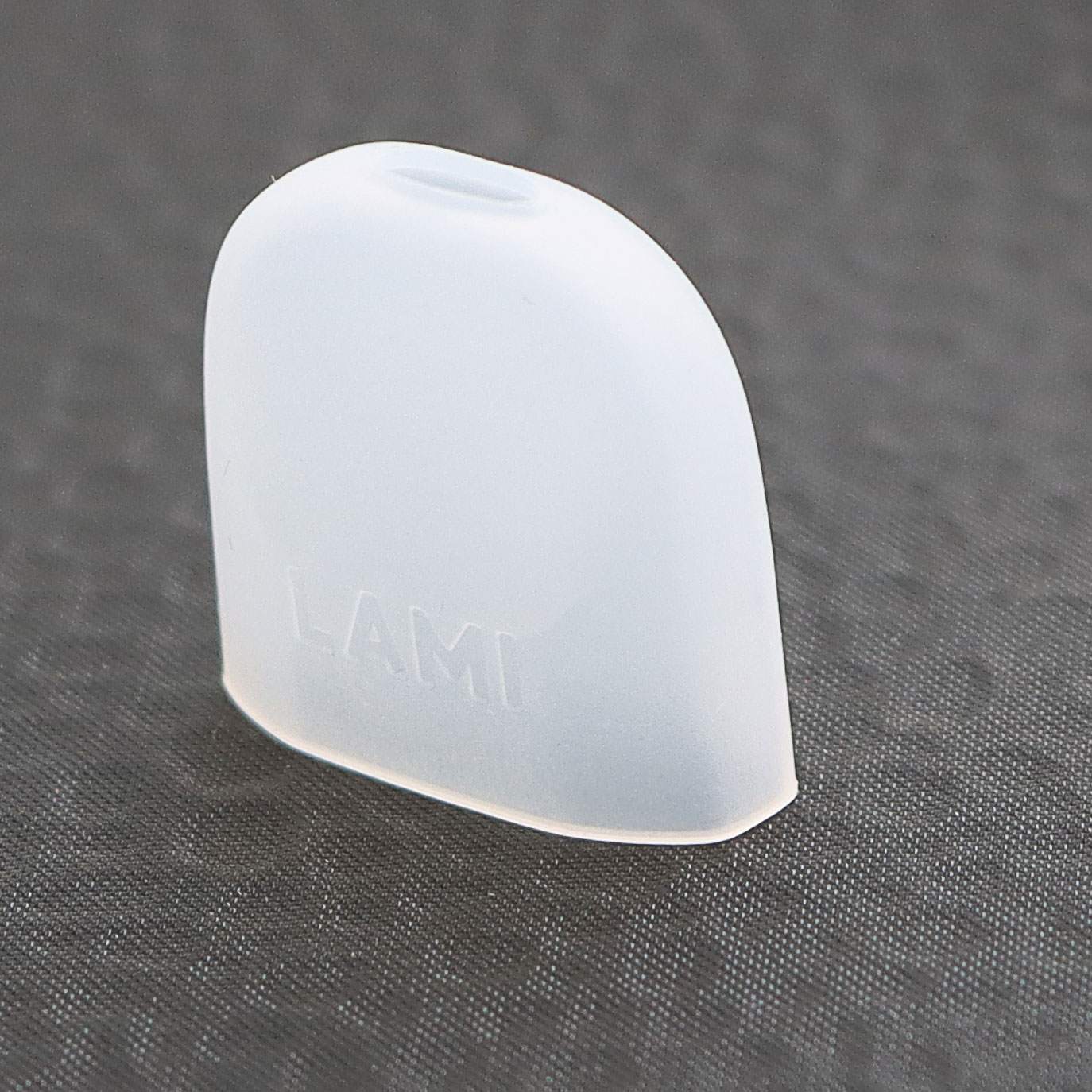
Protective sleeves and covers represent a growing category of silicone e-cigarette accessories. These components serve multiple functions: they provide impact protection against drops, improve grip through textured surfaces, and can incorporate decorative elements that enhance the device's aesthetic appeal.
In some implementations, silicone sleeves also contribute to thermal management by insulating the user from heat generated by the battery or atomizer. The material's inherent flexibility allows sleeves to conform tightly to device contours while remaining easy to install and remove — a practical consideration for users who may want to swap sleeves for cleaning or customization.
2.4 Cartridge Caps and Plugs
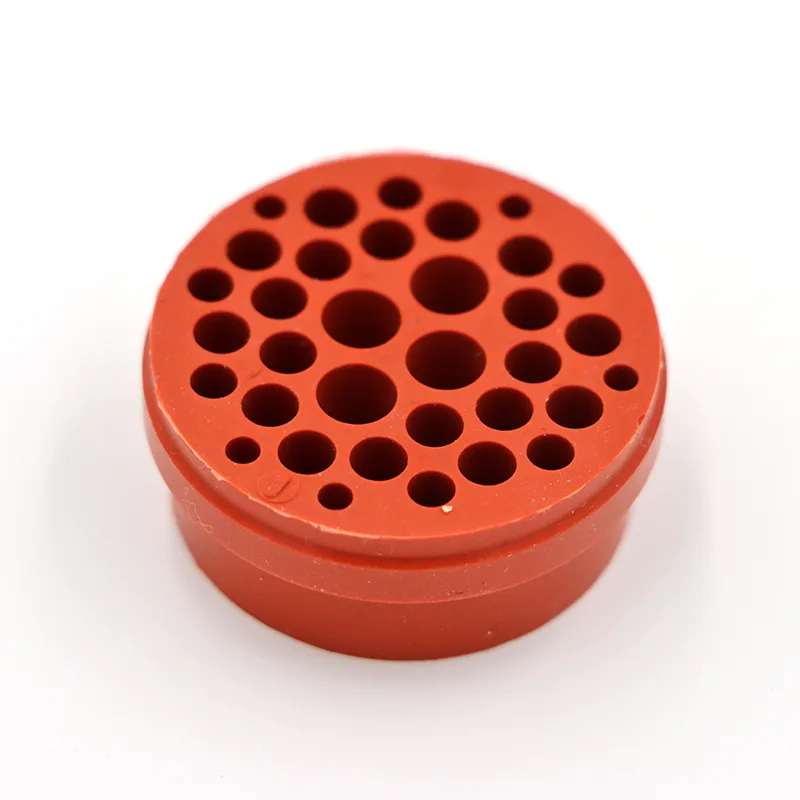
Cartridge caps and plugs serve both protective and functional roles. During storage and shipping, silicone caps prevent dust and contaminants from entering the device's airway or e-liquid reservoir. In use, these components can provide additional sealing against leakage and may incorporate features that facilitate filling or airflow adjustment.
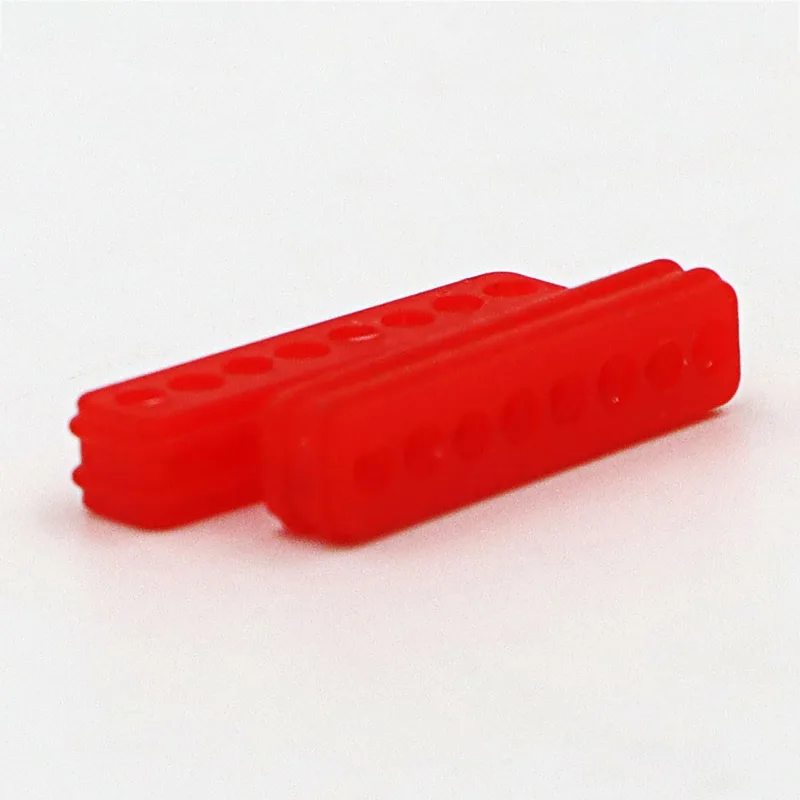
The use of silicone for these applications leverages the material's ability to form reliable seals against a variety of counterface materials, including glass, metal, and rigid plastics. The elastic recovery of silicone ensures that caps maintain their sealing force even after repeated removal and replacement cycles.
3. Material Science — What Makes Silicone the Ideal Material
The dominance of Silicone E-Cigarette Accessories in the vaping industry is not accidental. It reflects the material's extraordinary combination of physical, chemical, and thermal properties — characteristics that derive directly from silicone's unique molecular structure.
3.1 Thermal Stability and Heat Resistance
Silicone rubber maintains its mechanical properties across an exceptionally wide temperature range, from -100 degrees Celsius to 200 degrees Celsius. This thermal stability is critical for e-cigarette applications, where components may experience rapid temperature changes during operation and must withstand the heat generated by the atomizer without degrading or releasing volatile compounds.
At elevated temperatures, many organic elastomers soften, lose resilience, or begin to decompose. Silicone, by contrast, retains its flexibility and sealing force across the entire operating range of typical vaping devices. This performance advantage translates directly into longer component life and more consistent device behavior over time.
3.2 Chemical Inertness and Compatibility
The chemical inertness of silicone is arguably its most valuable property for e-cigarette applications. Silicone exhibits excellent resistance to acids, alkalis, and a wide range of organic solvents. This means that silicone components do not react with e-liquid formulations, leach unwanted compounds into the liquid, or degrade when exposed to flavoring agents, nicotine, or propylene glycol and vegetable glycerin bases.
This chemical compatibility is not merely a convenience — it is a safety requirement. Any reaction between component materials and e-liquid could introduce harmful substances into the vapor stream or alter the e-liquid's composition in ways that affect flavor, consistency, or safety. Silicone's inertness provides assurance that the material will not contribute to such risks.
3.3 Food-Grade Compliance and Biocompatibility
Because e-cigarette components come into direct contact with the user's mouth and, in some cases, with e-liquid that may be ingested in small quantities, material safety is paramount. Silicone used in e-cigarette applications must meet food-grade standards, typically FDA compliance for food contact and, in many markets, LFGB certification.
Liquid silicone rubber, the material used for most precision-molded e-cigarette components, is inherently a food-grade raw material. It can even meet medical-grade standards in appropriate formulations, reflecting its exceptional biocompatibility. This safety profile, combined with the material's resistance to bacterial and fungal growth, makes silicone the natural choice for components that interface with human tissues.
4. Manufacturing Excellence — From Liquid Silicone to Finished Part
Translating silicone's material advantages into functional components requires sophisticated manufacturing processes that control material behavior, dimensional accuracy, and production efficiency.
4.1 Liquid Silicone Rubber Injection Molding
Liquid silicone rubber (LSR) injection molding is the predominant manufacturing method for precision e-cigarette silicone components. The process involves mixing two liquid components — typically in a 1:1 ratio — which are then injected into a heated mold cavity where vulcanization (curing) occurs.
Critical process parameters include barrel temperature maintained at 25 to 30 degrees Celsius to prevent premature curing, mold temperatures of 150 to 200 degrees Celsius depending on part thickness, injection pressures of 50 to 150 MPa, and cure times of 20 to 120 seconds. These parameters must be precisely controlled to achieve consistent part quality, as variations in any parameter can affect cure state, dimensional stability, or surface finish.
LSR injection molding offers several advantages for e-cigarette component production. The process produces parts with excellent dimensional accuracy — typically within ±0.03 millimeters. It supports complex geometries, including undercuts and thin-walled sections. The process is highly automated, enabling consistent quality across high-volume production runs. And because LSR cures rapidly, cycle times are short, supporting the production volumes required by the e-cigarette industry.
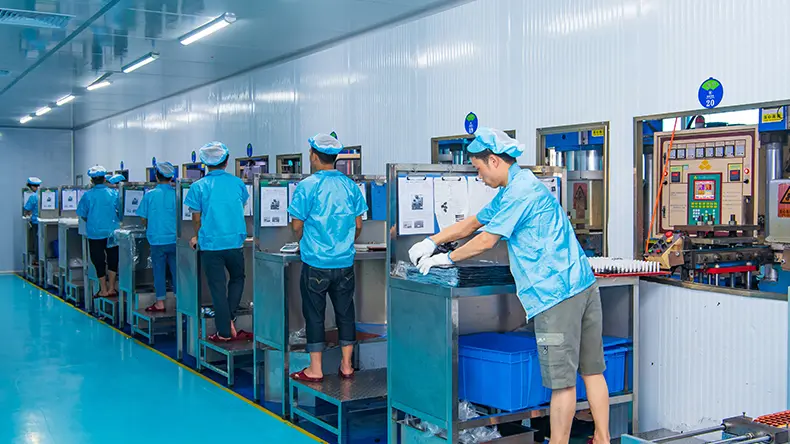
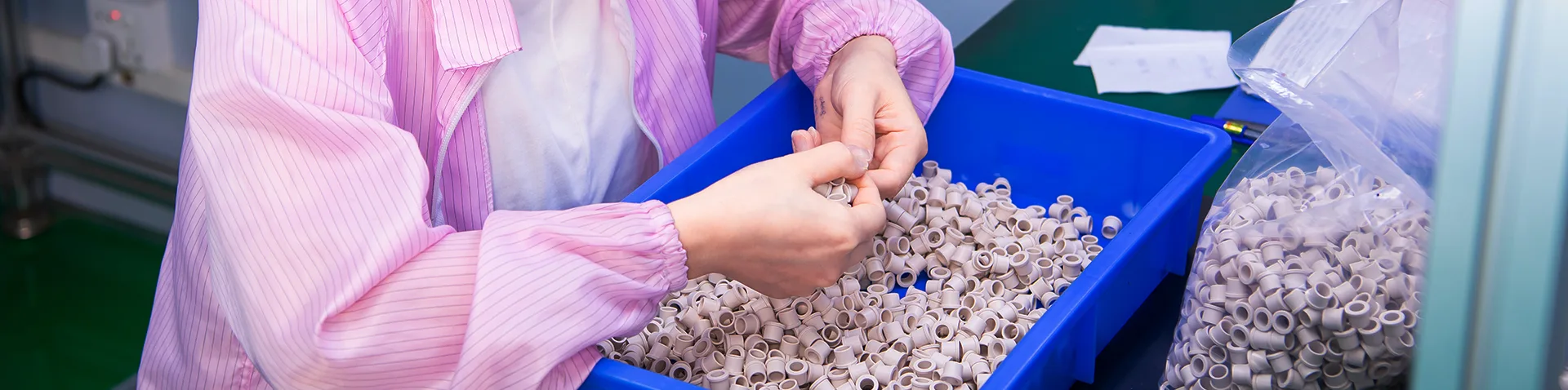
Advanced manufacturing facilities employ fully electric precision LSR injection molding machines, high-precision tooling, and CCD vision inspection systems to ensure that every part meets specification. Post-molding operations may include deflashing (removal of flash or parting-line excess), ultrasonic cleaning, food-grade sterilization, and dimensional inspection.
4.2 Compression Molding and Alternative Processes
While LSR injection molding is the preferred method for most precision e-cigarette components, compression molding remains in use for certain applications. In compression molding, a preheated material charge is placed into an open mold cavity, the mold is closed, and heat and pressure are applied until the material cures.
Compression molding is generally less automated than injection molding and may produce parts with less dimensional consistency. However, it can be economical for lower-volume production runs or for parts with geometries that are difficult to injection mold. The choice between processes ultimately depends on part geometry, production volume, and quality requirements.
Overmolding — the process of molding silicone directly onto another substrate such as metal, plastic, or electronic components — is an increasingly important capability in e-cigarette manufacturing. Overmolding enables the creation of integrated assemblies that combine the structural properties of rigid materials with the sealing and tactile benefits of silicone, all in a single manufacturing operation.
5. Quality Control and Precision Tolerances
The performance of Silicone E-Cigarette Accessories depends not only on material selection but also on manufacturing precision. Quality control protocols in professional silicone manufacturing facilities address multiple dimensions of part quality.
Dimensional inspection verifies that critical features such as sealing ring diameters, mouthpiece internal dimensions, and sleeve wall thicknesses fall within specified tolerances. For precision components, tolerances of ±0.03 millimeters are standard. Measurement is typically performed using coordinate measuring machines (CMM), optical comparators, or automated vision systems.
Material verification confirms that the silicone compound meets specifications for hardness (durometer), tensile strength, tear resistance, and compression set. Material certifications, including FDA compliance documentation and test reports, provide traceability and quality assurance.
Visual and surface inspection detects defects such as flash, sink marks, voids, or surface contamination that could affect part function or appearance. For components that contact the user's mouth, surface quality is particularly important for both comfort and hygiene.
Functional testing may include leak testing for sealing components, insertion and removal force testing for mouthpieces and caps, and thermal cycling tests to verify performance across the device's operating temperature range.
Facilities that meet international quality standards, such as ISO 9001 certification, operate within documented quality management systems that ensure consistency and traceability across all production activities. Additional certifications, such as REACH and RoHS compliance, address environmental and material safety requirements.
| Quality Parameter | Typical Specification | Inspection Method |
|---|---|---|
| Dimensional tolerance | ±0.03 mm | CMM / Vision system |
| Hardness (Shore A) | 30–80 (application dependent) | Durometer testing |
| Surface finish | Ra ≤ 0.8 µm | Profilometer |
| Food-grade compliance | FDA / LFGB | Material certification |
| Flash / parting line | ≤ 0.05 mm | Visual / Optical inspection |
6. Sustainability and the Future of Silicone in Vaping
As the vaping industry matures, sustainability considerations are becoming increasingly important. Silicone's inherent durability — its resistance to degradation, its long service life, and its ability to be recycled in some applications — positions it favorably relative to materials that require more frequent replacement.
The industry is also exploring bio-based silicone formulations and more efficient manufacturing processes that reduce energy consumption and material waste. Liquid silicone injection molding, with its precise material dosing and minimal scrap generation, already represents a relatively efficient manufacturing approach compared to processes that generate significant waste material.
Design trends point toward greater integration of silicone components through overmolding and multi-material molding, reducing assembly complexity and the number of separate parts required in each device. This trend not only improves manufacturing efficiency but also enhances device reliability by eliminating potential failure points at component interfaces.
Regulatory developments continue to shape the industry, with increasing emphasis on material safety, child-resistant packaging, and environmental compliance. Silicone manufacturers that maintain comprehensive certification portfolios — including FDA, LFGB, REACH, and RoHS — are well-positioned to meet these evolving requirements.
7. Frequently Asked Questions
Looking for a trusted silicone parts manufacturer for your vaping devices?
Aobo specializes in precision LSR injection molding for e-cigarette accessories, offering full-service support from material selection to final inspection.
Every component is manufactured to exacting tolerances, with comprehensive quality control and food-grade certification.
Contact us to discuss your project requirements