News

How Does Silicone Remote Control Keypad Enhance Modern Electronic Device Design?

2026-07-28 0 Leave me a message
Abstract: Flexible input solutions have become increasingly important in modern electronic equipment where durability, comfort, and precise control are essential. A carefully designed Silicone Remote Control Keypad provides reliable tactile feedback, excellent environmental resistance, and flexible integration possibilities for various electronic applications. This guide explores the structure, materials, manufacturing considerations, applications, and future development trends of silicone keypad technology.

Understanding Flexible Input Interface Technology

Electronic devices require efficient interaction methods that allow users to control functions accurately and comfortably. Traditional rigid buttons may not always meet the requirements of compact equipment, outdoor devices, or products that need enhanced protection against environmental conditions.

Flexible keypad technology provides an effective solution by combining elastic materials with conductive structures. This approach allows manufacturers to create input interfaces that are lightweight, durable, and adaptable to different product designs.

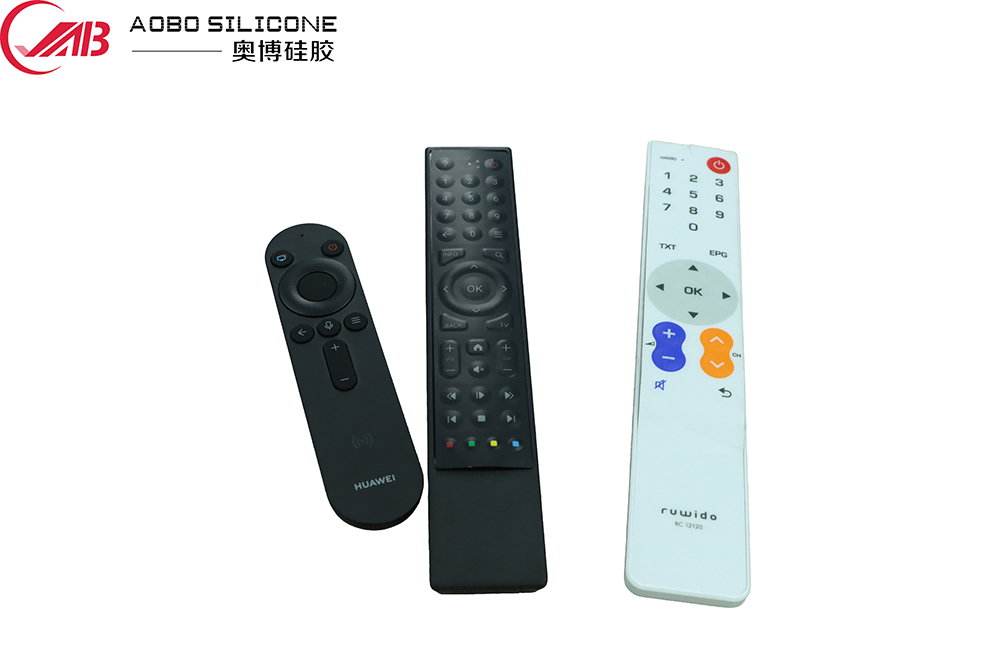
A modern Silicone Remote Control Keypad uses specially selected silicone materials and precision manufacturing methods to achieve stable operation while maintaining comfortable user interaction.
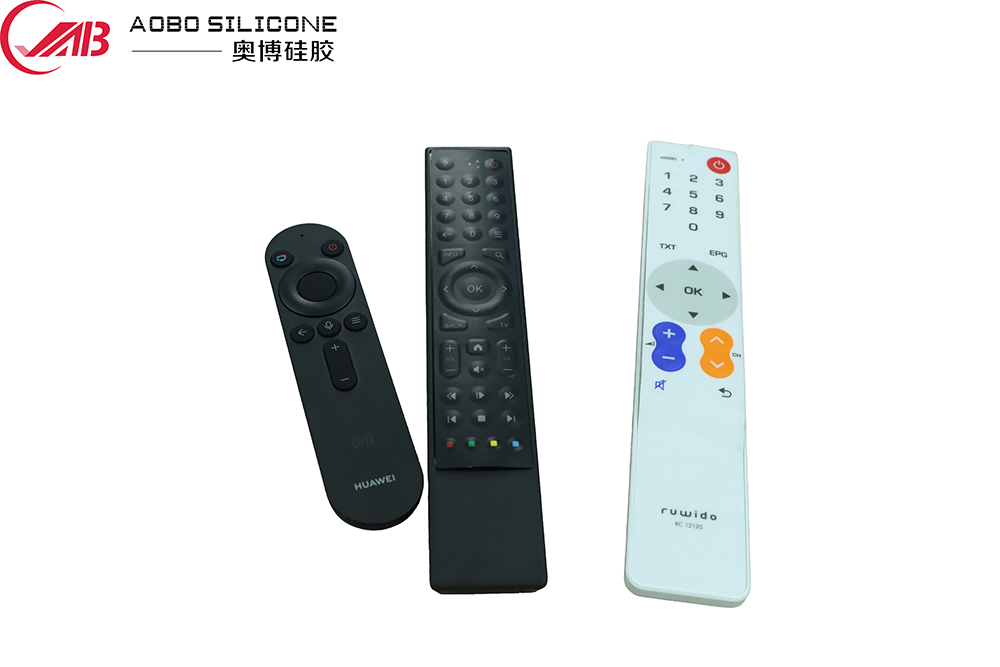
Silicone Remote Control Keypad

Role of Flexible Keypads in Electronic Control Systems

Control interfaces are essential parts of electronic products because they directly influence user experience. A reliable keypad must provide consistent response, accurate signal transmission, and long-term mechanical stability.

  • Provides comfortable tactile feedback during operation
  • Supports compact product structures
  • Offers resistance against dust and moisture
  • Allows customized designs for different devices
  • Improves user interaction reliability

Why Silicone Materials Are Widely Used

Silicone has become a popular material choice for electronic keypads because of its flexibility, temperature resistance, and excellent recovery characteristics. These properties allow buttons to repeatedly return to their original position after pressing.

Compared with conventional rigid materials, silicone structures can adapt better to irregular product surfaces and provide additional protection for internal electronic components.

Structural Design and Functional Characteristics

The structure of a silicone keypad directly affects its performance. Engineers must consider button shape, silicone hardness, conductive elements, surface treatment, and connection methods during the design stage.

Key Components of Silicone Keypad Structure

Component Main Function Design Importance
Silicone Rubber Layer Provides flexibility and button movement Determines tactile feeling and durability
Conductive Contact Transfers electrical signals Ensures accurate switching performance
Button Surface Creates user interaction area Supports customized appearance
Support Structure Maintains overall stability Improves assembly compatibility

Balance Between Flexibility and Mechanical Strength

A well-designed keypad needs to achieve a balance between softness and structural strength. Excessive softness may affect response accuracy, while excessive hardness can reduce operating comfort.

Manufacturing engineers analyze material properties and structural dimensions to create products that deliver consistent performance throughout repeated usage cycles.
Material Advantages in Electronic Applications

Material selection plays a critical role in the performance of electronic control components. Silicone has become widely used in keypad manufacturing because it combines flexibility, durability, and environmental resistance, making it suitable for various electronic devices.

Compared with traditional rigid button materials, silicone structures provide better adaptability for products that require compact designs, comfortable operation, and reliable protection against external conditions.

Key Properties of Silicone Materials

Material Property Performance Advantage Application Value
Elastic Flexibility Allows repeated pressing and recovery Supports long-term user operation
Temperature Resistance Maintains stability under different temperatures Suitable for various environments
Moisture Resistance Helps protect internal structures Improves equipment reliability
Soft Surface Feel Provides comfortable interaction Enhances user experience

Durability in Repeated Operation

Electronic control interfaces are frequently operated thousands of times throughout their service life. Therefore, the material must maintain its physical properties after continuous pressing and releasing cycles.

Silicone materials offer excellent recovery performance, allowing buttons to return to their original shape after operation. This characteristic helps maintain consistent tactile feedback and reduces performance variation during long-term usage.

  • Stable mechanical recovery after repeated pressing
  • Resistance to daily wear and environmental exposure
  • Flexible structure for different product designs
  • Reliable performance in demanding applications

Customization Possibilities for Different Devices

Different electronic products require different keypad layouts, button shapes, symbols, and functional structures. Silicone manufacturing technology allows designers to create customized solutions according to specific product requirements.

Customization options may include surface graphics, button arrangement, conductive methods, and structural dimensions. These design possibilities help manufacturers develop control interfaces that match unique product functions.

Manufacturing Process and Quality Control

The manufacturing process directly influences the reliability and appearance of electronic keypad components. Professional production requires careful control from material preparation to final inspection.

Silicone Molding Process

Silicone molding is an important production method for creating flexible keypad structures. During manufacturing, silicone materials are shaped under controlled conditions to achieve accurate dimensions and consistent quality.

The molding process must consider material characteristics, product structure, and design requirements. Proper process control helps ensure that each component meets expected performance standards.

Surface Treatment and Printing Technology

The surface of a keypad often includes symbols, icons, or functional markings that guide users during operation. Advanced printing and coating technologies help maintain clear visual information while improving surface durability.

Manufacturing Stage Main Purpose Quality Consideration
Material Preparation Ensure silicone consistency Material stability and cleanliness
Molding Process Create product structure Dimensional accuracy
Surface Processing Add functional markings Appearance durability
Final Inspection Verify finished products Performance consistency

Quality Inspection Standards

Quality inspection ensures that finished components can meet application requirements. Manufacturers usually evaluate appearance, dimensions, mechanical response, and electrical performance before delivery.

  • Check product dimensions and structural accuracy
  • Verify button response consistency
  • Inspect surface quality and printed patterns
  • Confirm compatibility with electronic assemblies

Industrial Applications and Usage Scenarios

Flexible keypad solutions are used across many industries because they provide reliable interaction methods for electronic equipment. Their adaptable structure allows them to support different product categories and operating environments.

Consumer Electronics

Consumer electronic products often require compact control interfaces with comfortable operation. Silicone keypads can provide a practical solution for remote controllers, household devices, and portable electronic equipment.

The flexible structure allows manufacturers to create lightweight designs while maintaining reliable button response and user-friendly operation.

Industrial Control Equipment

Industrial devices frequently operate in environments where durability and protection are important. Control interfaces need to maintain stable performance despite exposure to dust, vibration, or frequent operation.

A well-designed keypad structure helps industrial equipment achieve accurate control while improving operational convenience.

Medical and Specialized Equipment

Medical and professional equipment requires control components that are easy to operate and maintain. Silicone materials provide smooth surfaces and flexible structures that can support different equipment designs.

For applications requiring repeated cleaning or frequent operation, silicone-based interfaces offer practical advantages due to their material characteristics.

Design Considerations for Better Performance

Developing an effective keypad requires cooperation between mechanical design, material selection, and application requirements. Engineers must evaluate multiple aspects to create a balanced solution.

Important Design Elements

  • Button size and layout according to user operation requirements
  • Silicone hardness selection for suitable tactile feedback
  • Connection structure compatibility with electronic systems
  • Surface design for clear identification and usability
  • Protection requirements according to working environment

Improving User Interaction Experience

A successful control interface should provide accurate response while remaining comfortable during operation. Factors such as pressing force, button travel distance, and surface design influence the overall user experience.

Engineers optimize these elements through detailed design analysis and testing to create reliable interfaces for different electronic products.

Future Development of Flexible Electronic Interfaces

The demand for smarter and more compact electronic products continues to encourage innovation in input interface technology. Flexible materials, improved manufacturing methods, and advanced design concepts are helping create more reliable control solutions for modern devices.

Future keypad development will focus on improving durability, integration flexibility, and user interaction performance. Manufacturers are continuously exploring ways to combine material advantages with advanced production technologies to meet changing industry requirements.

Integration with Smart Electronic Systems

As electronic devices become increasingly intelligent, control interfaces need to provide more accurate and responsive operation. Flexible keypad structures can support different electronic systems while maintaining a comfortable user experience.

The combination of flexible materials and precise engineering allows designers to develop compact control solutions suitable for various applications, from consumer electronics to industrial equipment.

Continuous Improvement in Manufacturing Technology

Modern manufacturing processes continue to improve product consistency and production efficiency. Advanced molding techniques, automated inspection systems, and optimized material processing contribute to higher-quality electronic components.

  • Improved production accuracy through advanced manufacturing methods
  • Enhanced product consistency through inspection technologies
  • Better customization options for different applications
  • More reliable performance in complex environments

How to Select a Suitable Silicone Keypad Solution

Choosing the right keypad solution requires a clear understanding of product requirements, operating conditions, and expected performance. Different devices may require different structures, materials, and functional designs.

Evaluation Factors Before Development

Evaluation Factor Key Question Design Purpose
Application Environment Where will the device operate? Select suitable material characteristics
Operating Frequency How often will buttons be used? Determine durability requirements
Interface Design What control functions are needed? Create effective button layouts
Assembly Method How will the keypad connect? Ensure system compatibility

Importance of Professional Manufacturing Support

Professional manufacturing support helps ensure that design concepts can be transformed into reliable finished products. Experienced manufacturers can provide assistance throughout material selection, structural optimization, production control, and quality verification.

A complete development process helps reduce design challenges and improves compatibility between the keypad and the final electronic device.

Frequently Asked Questions

What is a silicone keypad mainly used for?
A silicone keypad is mainly used as a flexible control interface for electronic devices. It provides button operation, tactile feedback, and reliable connection with internal electronic systems.
Why is silicone suitable for electronic control buttons?
Silicone provides flexibility, durability, temperature resistance, and good recovery characteristics, making it suitable for products requiring repeated operation and stable performance.
Can silicone keypads be customized for different products?
Yes. Silicone keypad designs can be customized according to button layout, appearance requirements, structural dimensions, conductive methods, and application needs.
What factors affect keypad performance?
Material quality, structural design, manufacturing accuracy, surface treatment, and compatibility with electronic systems all influence keypad performance.
How does manufacturing quality influence electronic interfaces?
Accurate manufacturing processes help maintain consistent dimensions, reliable button response, and stable performance throughout the product lifecycle.

Conclusion

Flexible electronic interfaces have become an important part of modern device design. Their combination of durability, adaptability, and comfortable operation allows them to support a wide range of applications.

A properly engineered Silicone Remote Control Keypad can provide dependable performance by combining suitable materials, accurate manufacturing processes, and optimized structural design.

For companies looking for professional silicone component development and manufacturing capabilities, Aobo provides solutions designed around different product requirements and application environments.

Looking for a Reliable Silicone Component Partner?

Our team can help you develop suitable silicone solutions based on your product structure, performance requirements, and application needs.

Contact Us
Related News
Leave me a message
X
We use cookies to offer you a better browsing experience, analyze site traffic and personalize content. By using this site, you agree to our use of cookies.Privacy Policy
RejectAccept