Abstract
Vehicle owners continuously seek durable, flexible, and low-maintenance upgrades to improve daily driving comfort and interior protection. Silicone Car Accessories stand out among countless automotive interior supplies thanks to stable material properties that adapt to extreme temperature shifts inside closed vehicles. Many traditional plastic, rubber and fabric interior components degrade quickly under sunlight exposure, generating odd smells, cracks or surface wear after months of regular use. This content explores the unique material advantages of silicone products, practical usage scenarios inside vehicle cabins, comparison with conventional alternatives, and effective maintenance habits to extend service life of interior fittings. Readers can discover how flexible silicone components solve common pain points encountered by drivers all year round.Table of Contents
- 1. Common Pain Points of Traditional Automotive Interior Components
- 2. Fundamental Material Advantages of Silicone for Vehicle Interior Use
- 3. Widely Applied Scenarios of Silicone Components Inside Vehicle Cabins
- 4. Silicone Components VS Rubber, Plastic and Fabric Interior Parts
- 5. Simple Daily Maintenance Methods for Silicone Interior Parts
- 6. Tips for Choosing High-Quality Silicone Automotive Interior Parts
- 7. Frequently Asked Questions
- 8. Explore Customized Interior Silicone Solutions
1. Common Pain Points of Traditional Automotive Interior Components
Many drivers spend plenty of time selecting interior decorations without noticing hidden flaws of widely used ordinary materials. After staying inside sealed parking lots or open-air parking spaces for several hours, vehicle interiors face harsh environmental tests every single day. High temperature, ultraviolet radiation, beverage spills, dust accumulation and frequent friction all accelerate the aging process of interior fittings. Ordinary hard plastic parts often become brittle after long-term sun exposure. Tiny cracks start to appear on edges and corners, and fragments may fall off when touched casually. Low-quality rubber items tend to harden or turn sticky under high heat. The sticky surface attracts dust stubbornly, and strange chemical odors spread all over the cabin once temperatures rise. Woven fabric mats and storage pads absorb liquid rapidly. Stains penetrate deep into fiber gaps, and mold may grow if liquid cannot be dried completely in a short period. These aging problems not only damage the visual appearance of vehicle interiors, but also create inconvenience for daily driving. Sticky surfaces leave marks on hands and personal belongings. Cracked components lose basic protection functions, and accumulated dirt requires repeated deep cleaning. More importantly, aging synthetic materials may release volatile substances continuously, affecting air quality inside relatively closed cabins. For drivers who want to keep a tidy and comfortable driving environment all year, finding interior components that resist temperature changes, resist stains and remain stable for a long time becomes essential. Many people gradually shift attention toward flexible silicone products as a reliable alternative to replace easily worn traditional interior fittings.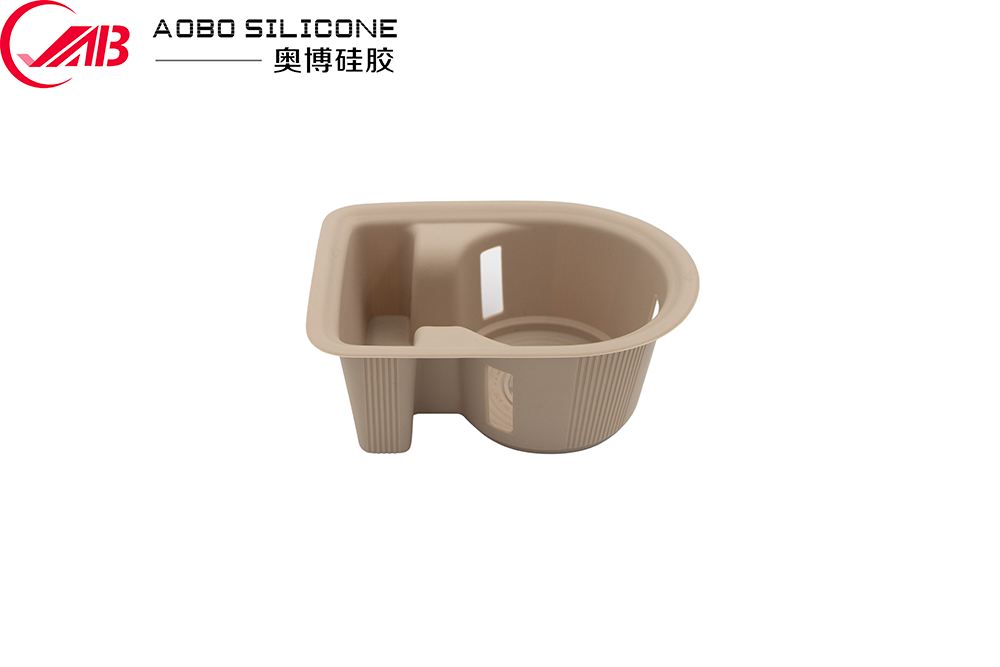
2. Fundamental Material Advantages of Silicone for Vehicle Interior Use
Silicone as a polymer material has been widely adopted in consumer and automotive industries for decades. Its molecular structure creates stable physical characteristics that perfectly match complex working environments inside vehicle cabins. Temperature resistance is one of the most prominent strengths. Well-formulated silicone maintains flexibility under both low winter temperatures and extreme summer heat. It will not harden in cold weather or turn sticky when exposed to direct sunlight. This property makes silicone suitable for positions close to vehicle windows and dashboards where temperature fluctuation reaches large ranges every day. Excellent waterproof and stain-resistant surface reduces cleaning pressure significantly. Liquid such as coffee, soda water and rainwater cannot easily penetrate silicone surfaces. Most stains stay on the surface instead of sinking into internal structures. Owners can wipe away spills with soft cloths in a short time without leaving permanent marks. Silicone also features outstanding anti-slip performance. The matte surface creates stable friction, preventing mobile phones, cups, keys and small personal items from sliding during acceleration, braking or turning. Unlike adhesive anti-slip pads that leave residual glue on dashboards, standard silicone products do not rely on strong adhesive layers, so original interior surfaces stay intact after removal. Another notable merit lies in environmental safety. Premium silicone formulations do not contain harmful plasticizers. Under high temperature conditions, qualified silicone barely releases irritating odors. When compared with cheap synthetic materials, silicone brings a friendlier experience for drivers and passengers who stay inside vehicles for long trips. Elastic recovery capability cannot be ignored either. After repeated squeezing, bending and compression, silicone can slowly return to its original shape without permanent deformation. This characteristic guarantees long-term usability for frequently used storage liners, cup holder inserts and anti-slip mats.3. Widely Applied Scenarios of Silicone Components Inside Vehicle Cabins
Flexible silicone can be manufactured into various shapes to fit different positions within vehicle interiors. Different customized shapes target specific daily driving demands and solve small but annoying troubles.Cup holder liners
Cup holders collect dust, beverage residues and crumbs easily. Hard plastic grooves are hard to clean thoroughly. Silicone liners match the inner contour of cup holders perfectly. When dirt builds up, users can take out the whole liner, rinse it under flowing water and install it back after drying. The anti-slip texture prevents water cups from shaking and generating noise during driving.Dashboard anti-slip mats
Many drivers place mobile phones, sunglasses and coin boxes on dashboards. Smooth plastic surfaces cause items to slide violently during sharp turns. Silicone anti-slip mats hold lightweight objects firmly without damaging original dashboard textures. Users can reposition the mats freely without worrying about adhesive residue.Door storage pocket liners
Door pockets accumulate sand, debris and water stains from rainy days. Thin silicone liners wrap the inner space of storage pockets. When dirt piles up, users can take out the liner for direct washing. The liner also reduces collision noise generated by small items moving while driving.Charging port dust plugs
Dust and fine sand enter vehicle charging ports easily, leading to poor contact over time. Mini silicone plugs block the port openings effectively. The soft texture prevents scratching metal contacts, and the tiny design will not occupy extra interior space.4. Silicone Components VS Rubber, Plastic and Fabric Interior Parts
To make rational decisions for interior upgrades, it helps to compare silicone materials with three mainstream interior materials used in automotive spaces. Clear differences in durability and maintenance experience become obvious after long-term use.| Material Type | Temperature Stability | Stain Resistance | Long Term Aging Performance | Cleaning Difficulty |
|---|---|---|---|---|
| Silicone | Excellent | High | Resist cracking and stickiness | Simple, washable directly |
| General Rubber | Average | Medium | Easily harden or turn sticky | Need special detergent |
| Hard Plastic | Poor | Medium | Brittle and crack under UV | Stains are hard to erase |
| Fabric / Cloth | Average | Low | Fray, absorb odor | Difficult, prone to mold |
5. Simple Daily Maintenance Methods for Silicone Interior Parts
Although silicone features outstanding durability, regular gentle maintenance can extend service time and maintain surface appearance for years. Complex chemical cleaning supplies are not required for routine care.- Wipe surface dust regularly with microfiber cloth to avoid abrasive particles scratching matte texture
- Clean liquid spills within several minutes; prolonged contact with pigmented drinks may leave faint marks
- Use neutral clean water for washing. Strong acidic or alkaline cleaners will damage surface texture gradually
- Avoid long-term contact with sharp metal ornaments, which may create permanent scratches
- Air dry naturally after washing. Do not use high-temperature hair dryers to accelerate drying progress
6. Tips for Choosing High-Quality Silicone Automotive Interior Parts
The market contains products with huge gaps in raw material standards. Low-grade silicone mixed with fillers cannot achieve ideal performance, and many buyers struggle to distinguish premium goods from inferior alternatives. Focus on material touch feeling first. High-quality silicone delivers soft, uniform elasticity. Inferior silicone feels stiff or greasy to touch. Smell test is another practical method. Qualified silicone only carries a faint neutral smell; strong pungent odor indicates unqualified raw materials. Observe edge workmanship. Precise cutting and smooth edges represent strict production standards. Rough burrs and uneven thickness usually come from low-standard molding processes. Buyers also need to confirm product size compatibility. Ill-fitted silicone components shift constantly during driving and lose practical value. At this stage, buyers can also consider customizable options. Standard sizes fit most mainstream models, while customized molds match special interior structures of modified vehicles or rare car models.7. Frequently Asked Questions
8. Explore Customized Interior Silicone Solutions
Every vehicle brand and model features unique interior structural layouts, with varying console sizes, door slot dimensions, and cabin configurations across different production years. Generic one-size-fits-all interior accessories often fail to fit precisely, resulting in loose displacement, incomplete protection, and compromised interior aesthetics. Custom-molded silicone parts effectively resolve these fitting drawbacks, delivering seamless integration for personalized vehicle interior upgrades.Silicone Car Accessories support fully customized manufacturing based on customer-provided engineering drawings, physical product samples, or actual vehicle interior measurement data. Every detail including product thickness, surface texture finish, overall shape, and color tone can be precisely adjusted to perfectly match exclusive vehicle interior structures, ensuring zero-gap installation and consistent interior styling.
Diversified surface processing techniques are available to adapt to different in-car usage scenarios. Anti-slip matte finishes are adopted for dashboard and console pads to stabilize placed items, while smooth waterproof surfaces are applied for cup mats and storage liners to resist liquid stains and facilitate daily cleaning. Custom dust-proof and wear-resistant coatings can also be added for long-term high-frequency use positions, greatly extending product service life. A wealth of Pantone color customization options allow silicone parts to perfectly coordinate with original car interior tones, avoiding abrupt visual conflicts and maintaining an overall premium cabin atmosphere.
Aobo Silicone possesses mature precision molding and silicone processing technology dedicated to automotive interior accessory production. The professional engineering team independently completes mold development, structural optimization, prototype testing, and mass production supervision, realizing full-process quality control. Whether it is small-batch personalized customization for individual car models or large-scale standardized supporting production for automotive suppliers, stable manufacturing standards always maintain uniform product precision, texture, and performance.
Need High-Precision Custom Automotive Silicone Accessories?
Get professional one-stop customization solutions from structural optimization to finished product delivery.
Send Customization Requirements Now